Our Approach to Coexistence
At DPCDI, we believe that peace is not an isolated state, but a result of balanced community development. By combining conflict monitoring (Early Warning) with immediate survival support (Relief) and structural growth (Empowerment), we help communities transition from cycles of conflict to sustainable development.
Peace Building & Conflict Resolution
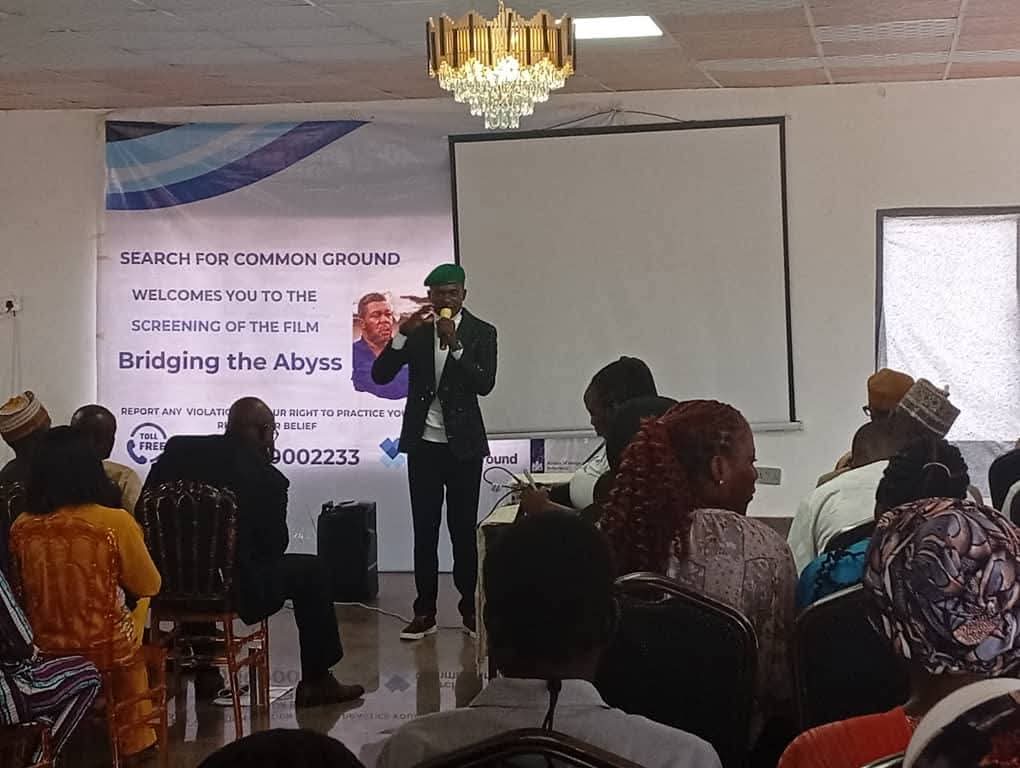
Taraba State's community is diverse. Our peacebuilding programs engage formal security networks (Police, Vigilantes) and local observers to build collaborative pathways. We run community dialogue panels, mediate local land and boundary disputes, and campaign for Freedom of Religion and Belief (FoRB).
Humanitarian Support & Relief
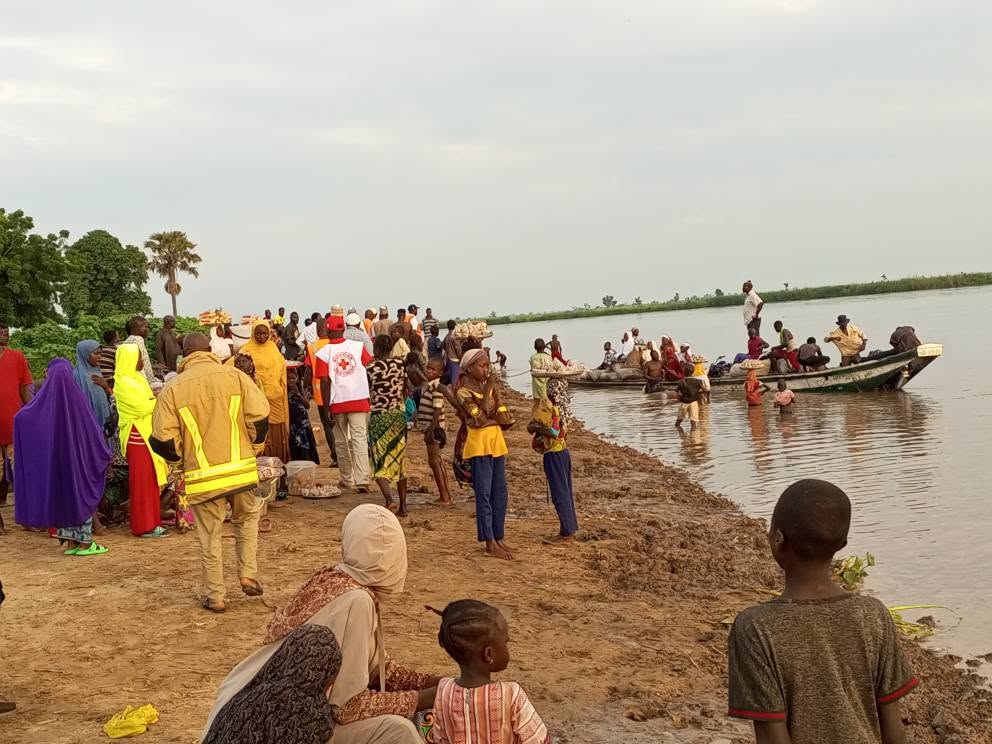
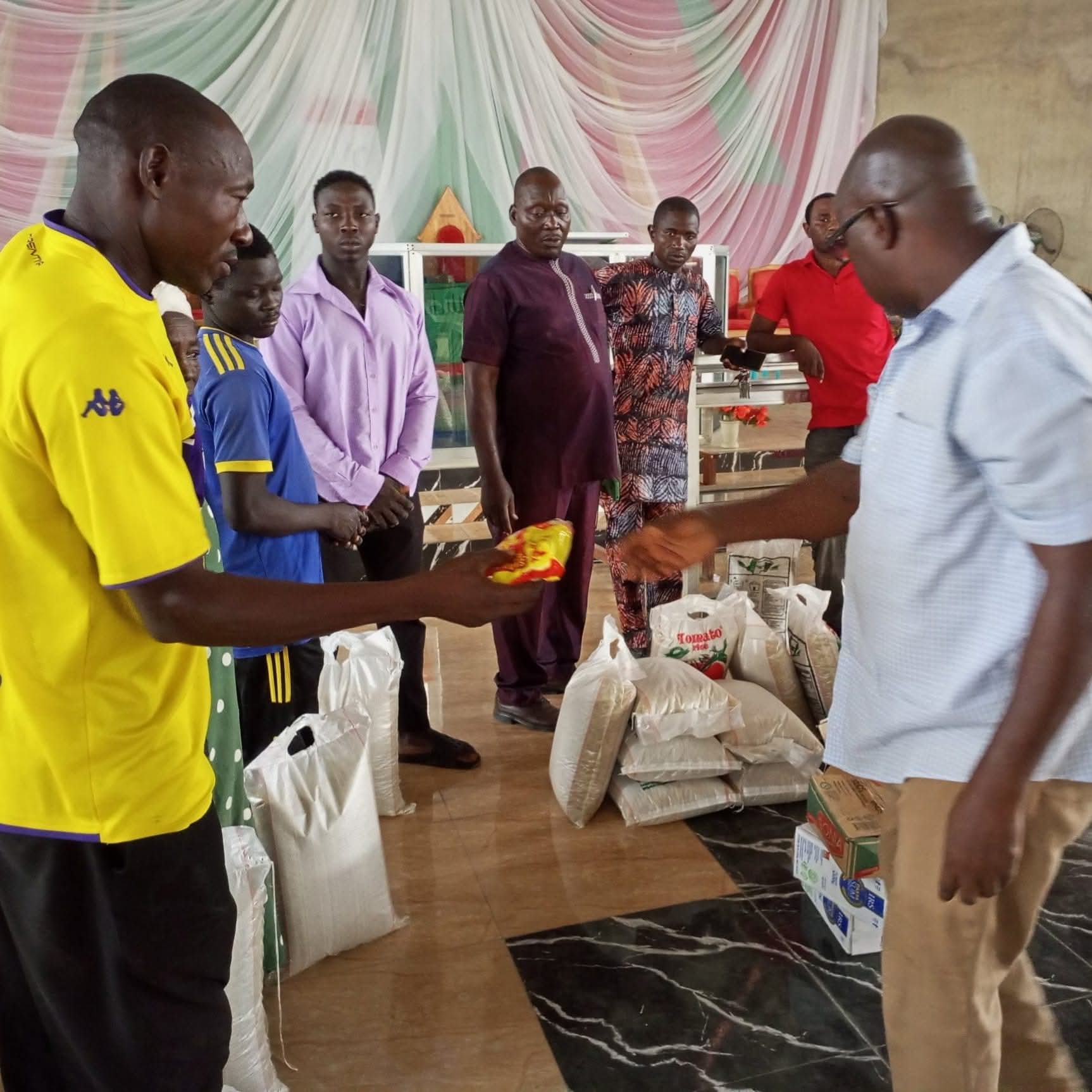
During crises and clashes, families are forced to flee their homes, leaving behind their livelihoods. DPCDI operates a prompt relief distribution pipeline, bringing food items, clean water, blankets, and hygiene kits directly to displaced survivors and conflict camps.
Women & Family Empowerment
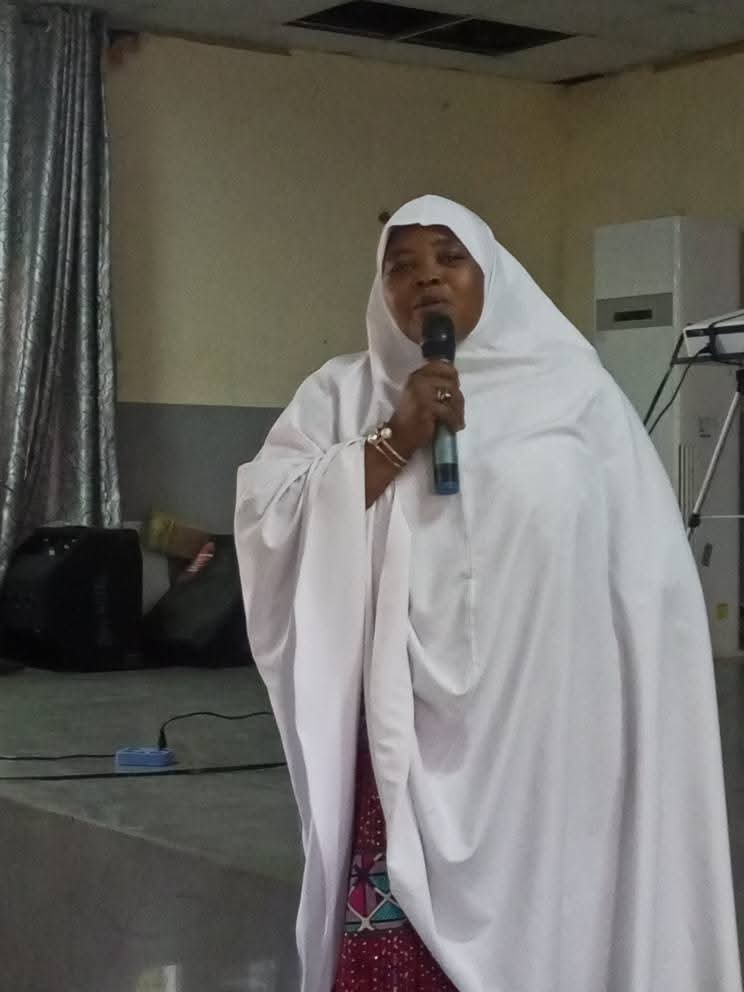
Women and children are disproportionately affected by community instability. We focus on family resilience through drug abuse education, social inclusion advocacy, and targeted skill acquisition. Our workshops empower mothers to act as primary peacebuilders.
Youth Capacity Building & Education
Unemployment and lack of direction make youth vulnerable to manipulation during communal clashes. DPCDI engages local youth through capacity-building workshops, leadership training, and secondary school peace clubs, redirecting their potential toward development.
Community Social Intervention
Sustainable peace is tied to development. We support rural communities by conducting sanitation exercises, advocating for clean drinking water infrastructure, and bringing basic health screening services to remote settlements across Taraba State.
Field Campaigns & Outreach History
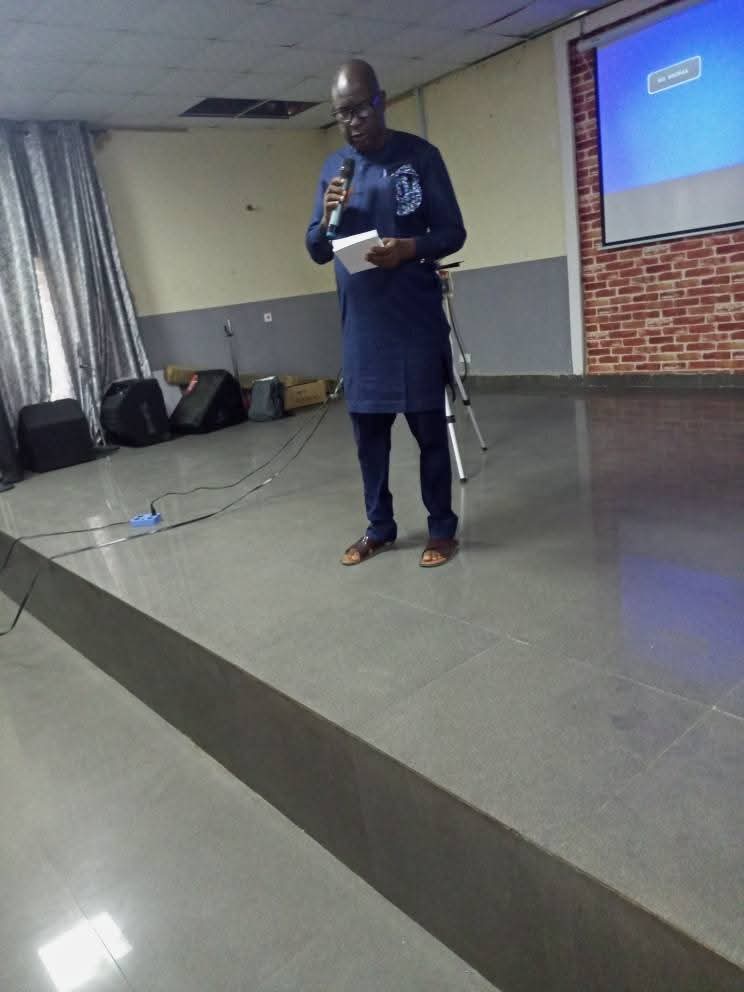
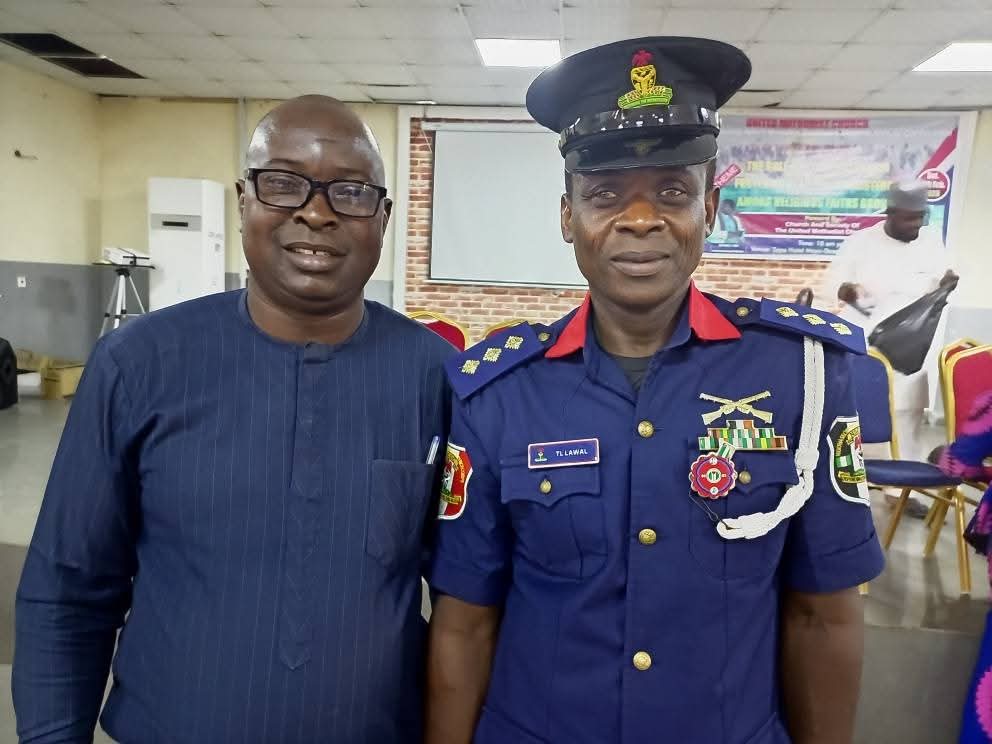
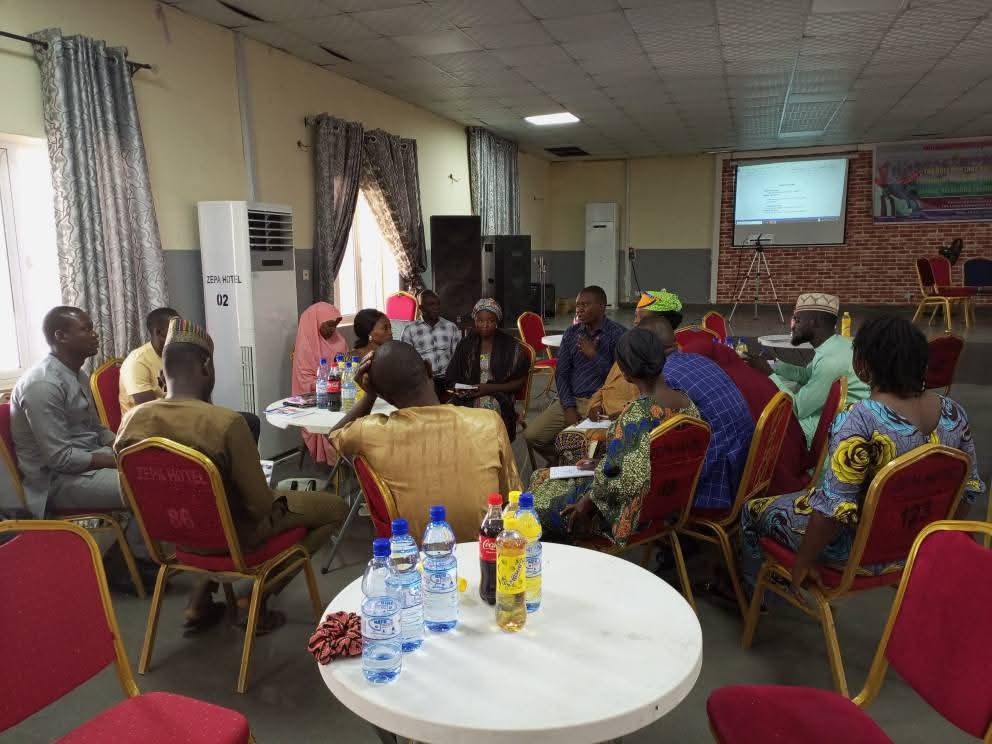
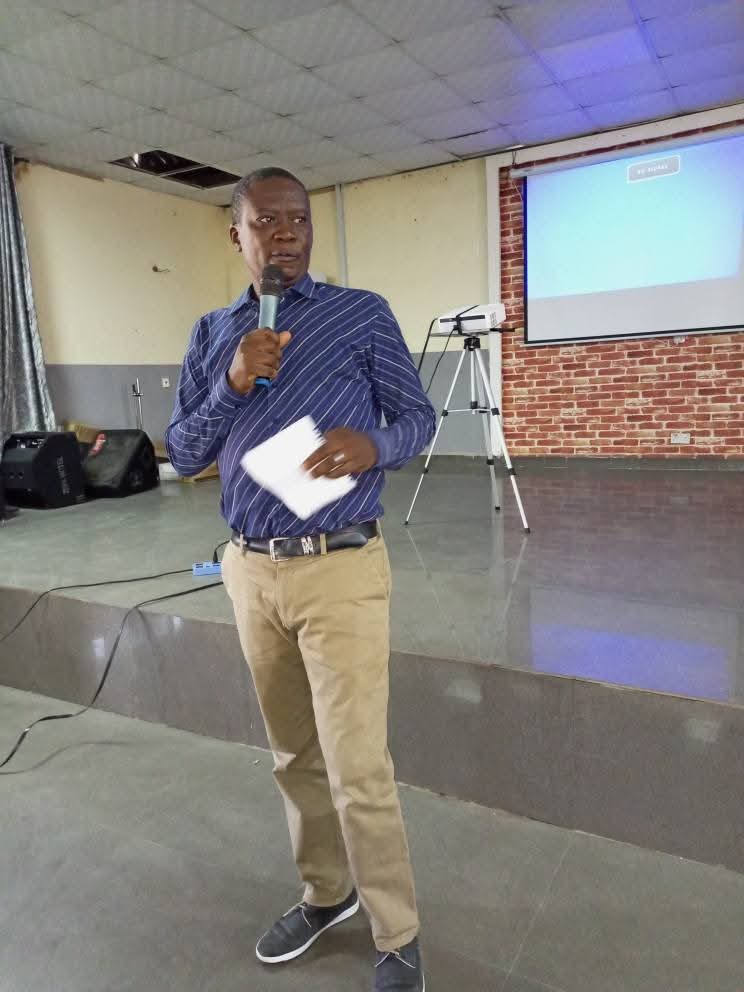
Interreligious Roundtable Dialogue discussion on Interreligious Conflict
Conference Hall, NIN Hotel Mile Six bypass, Jalingo, Taraba State
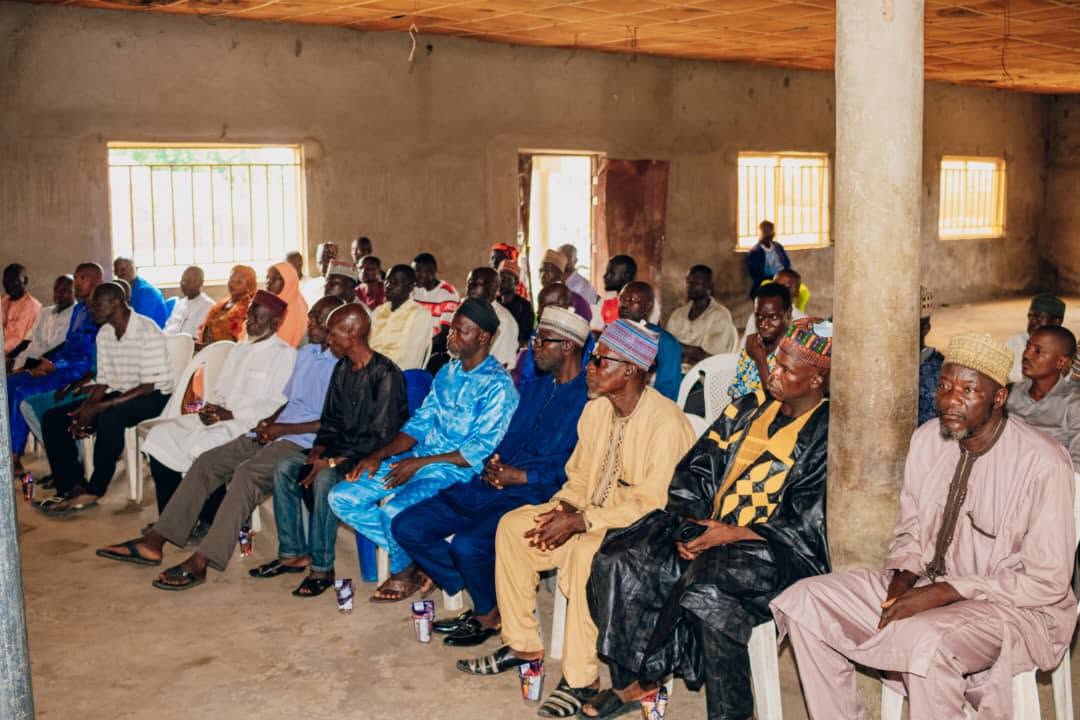
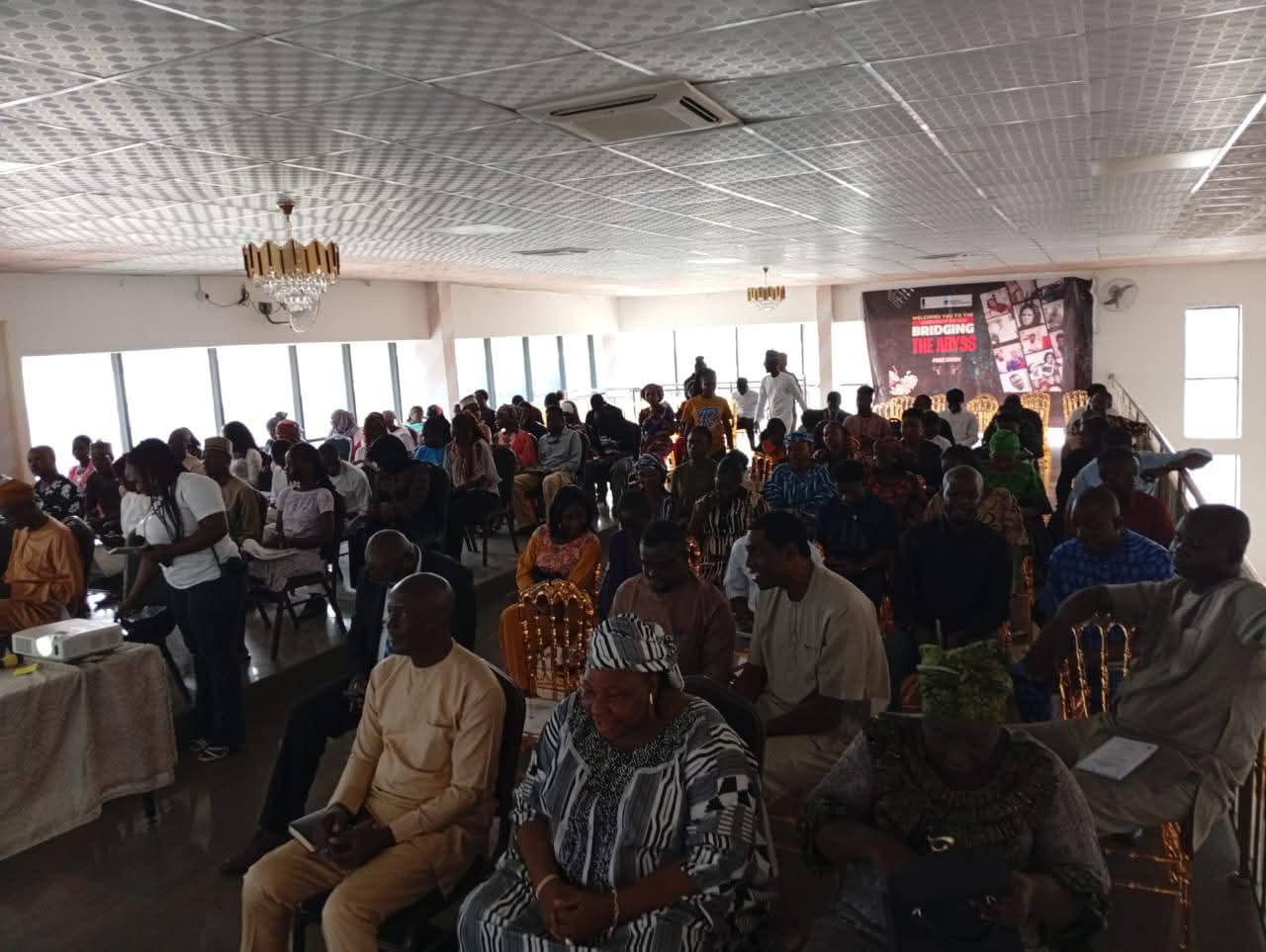
DPCDI organized a One Day Interreligious Roundtable Dialogue to build mutual tolerance and prevent faith-based communal disputes. Participants included key religious leaders, community stakeholders, security agencies, civil society organisations, and youth/women groups.
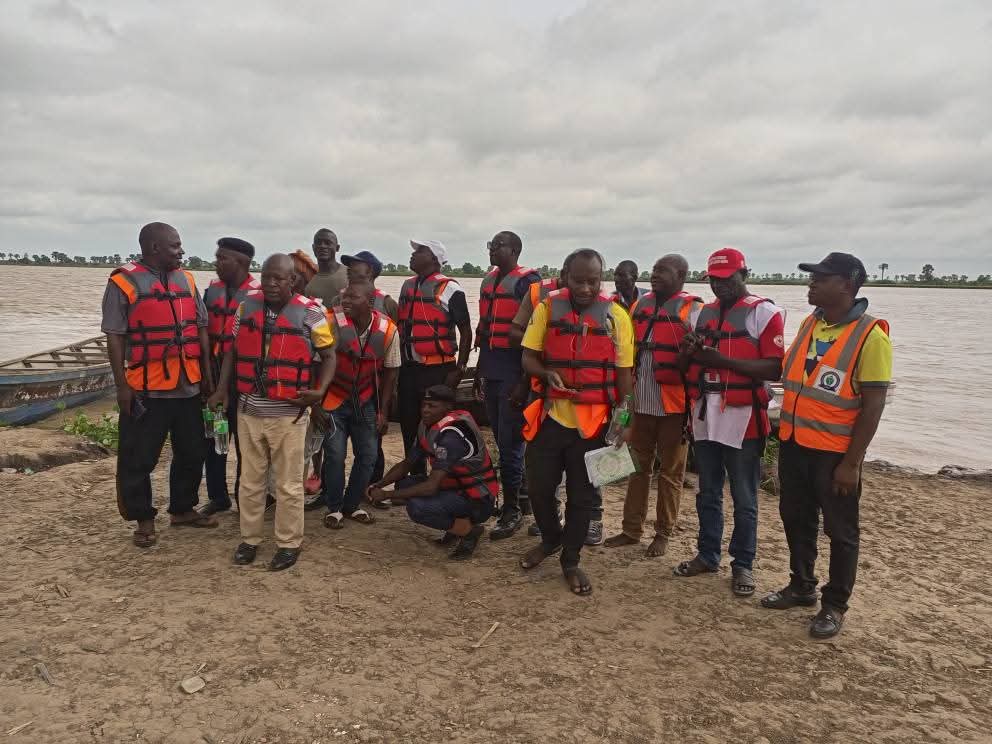
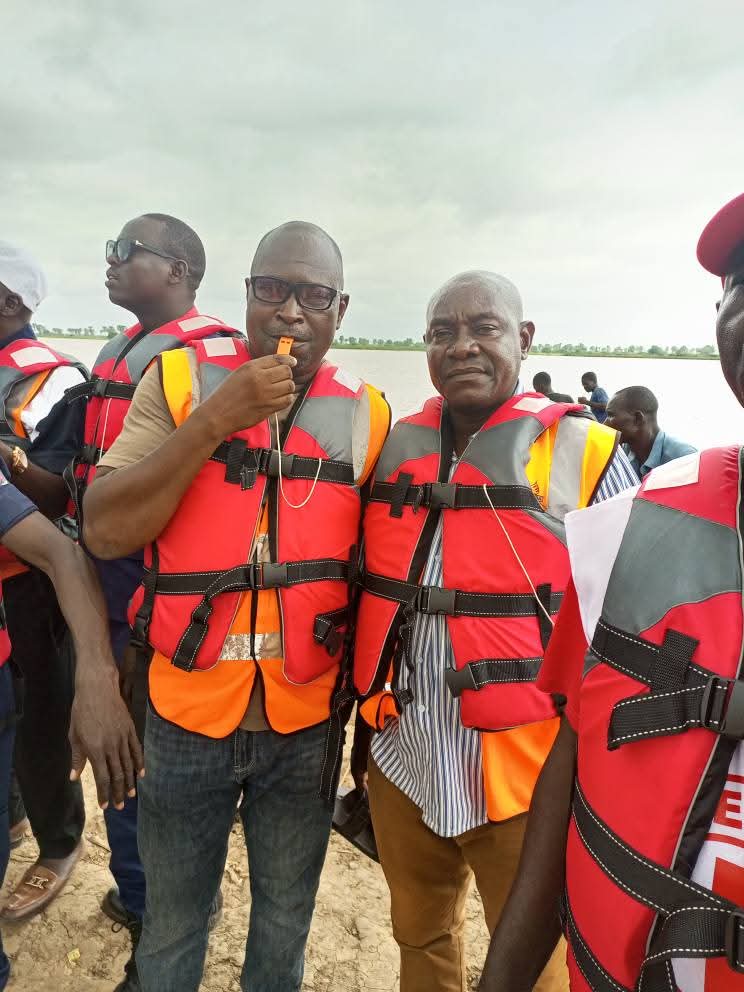
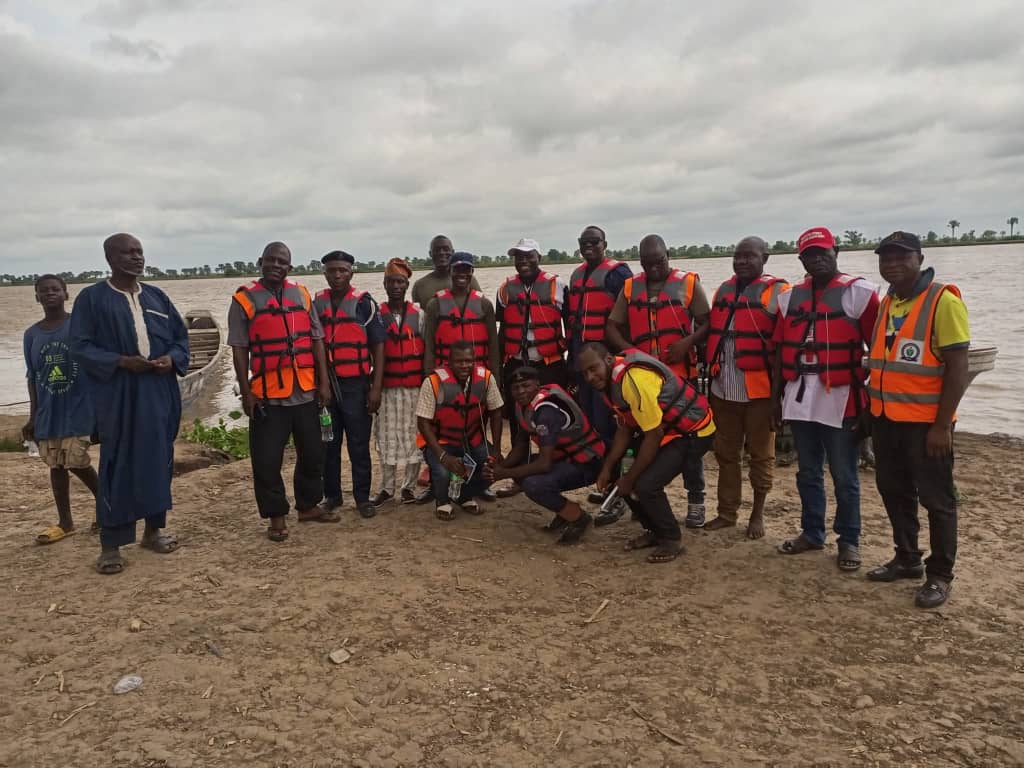
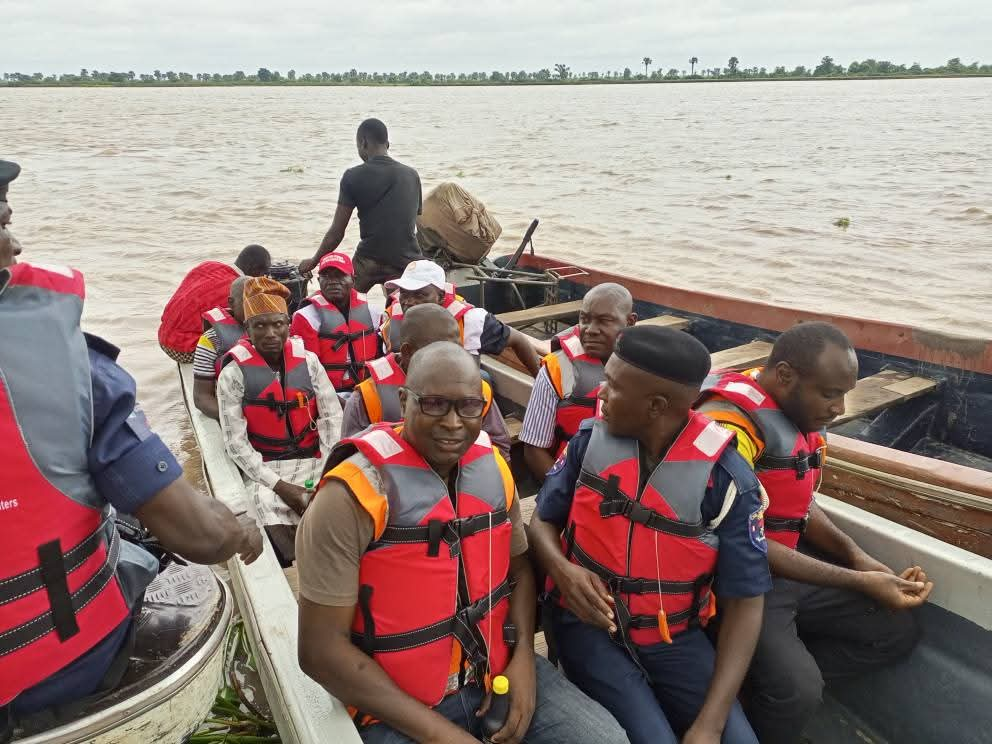
Flood Prevention Safety and Riverbank Community Advocacy
Lau, Karim Lamido, Ardo Kola, Gassol, Wukari and Ibbi LGAs
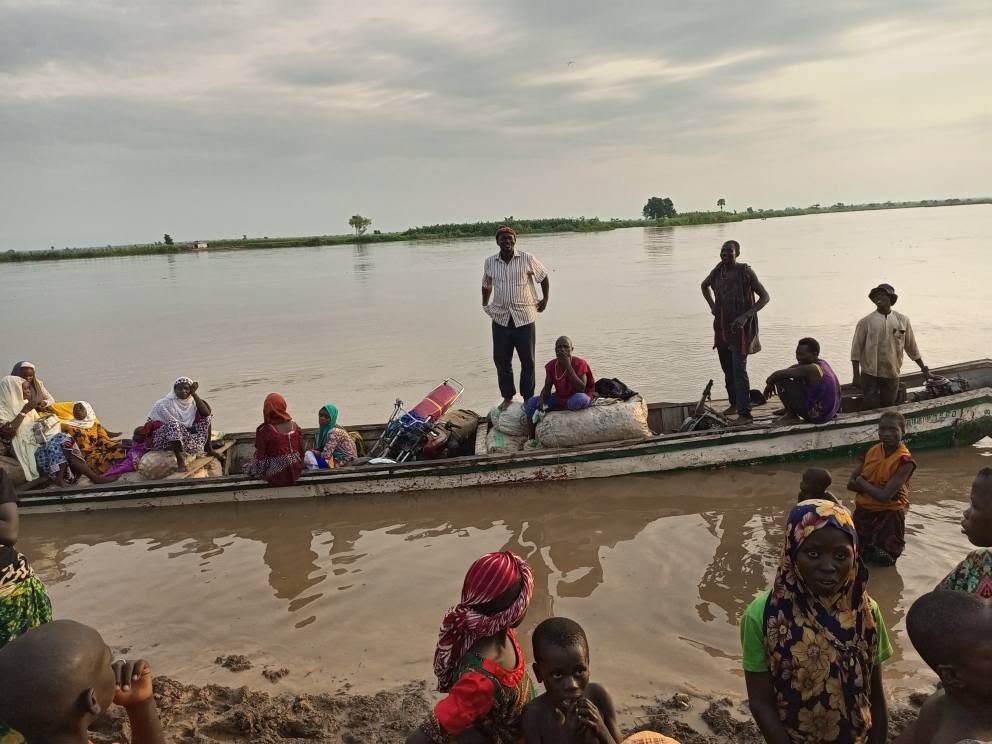
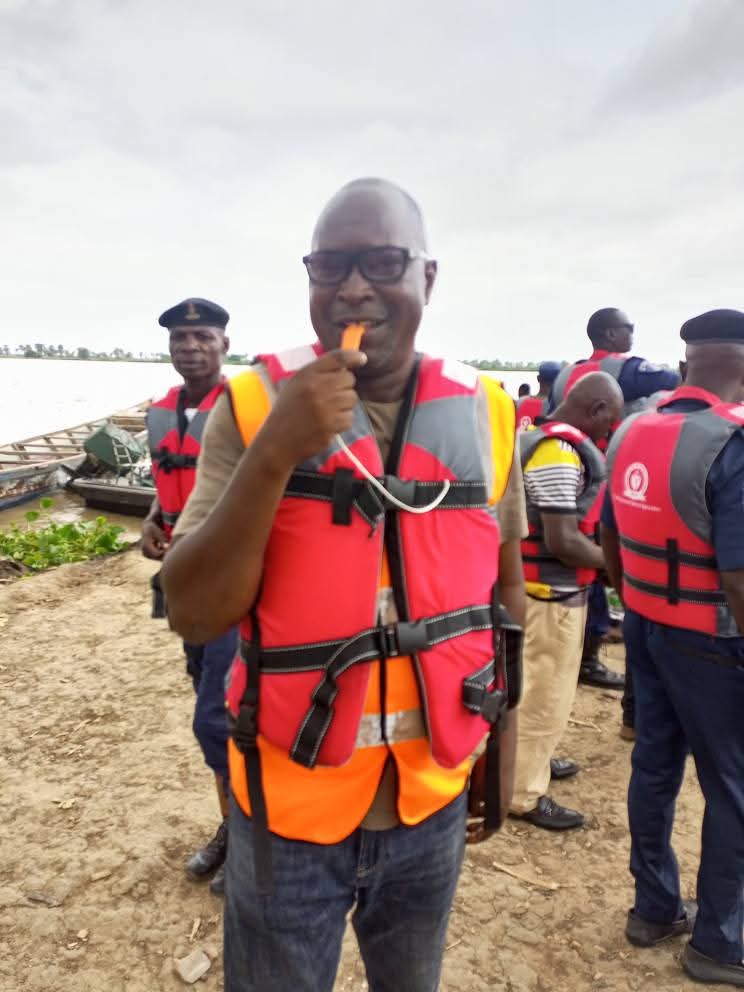
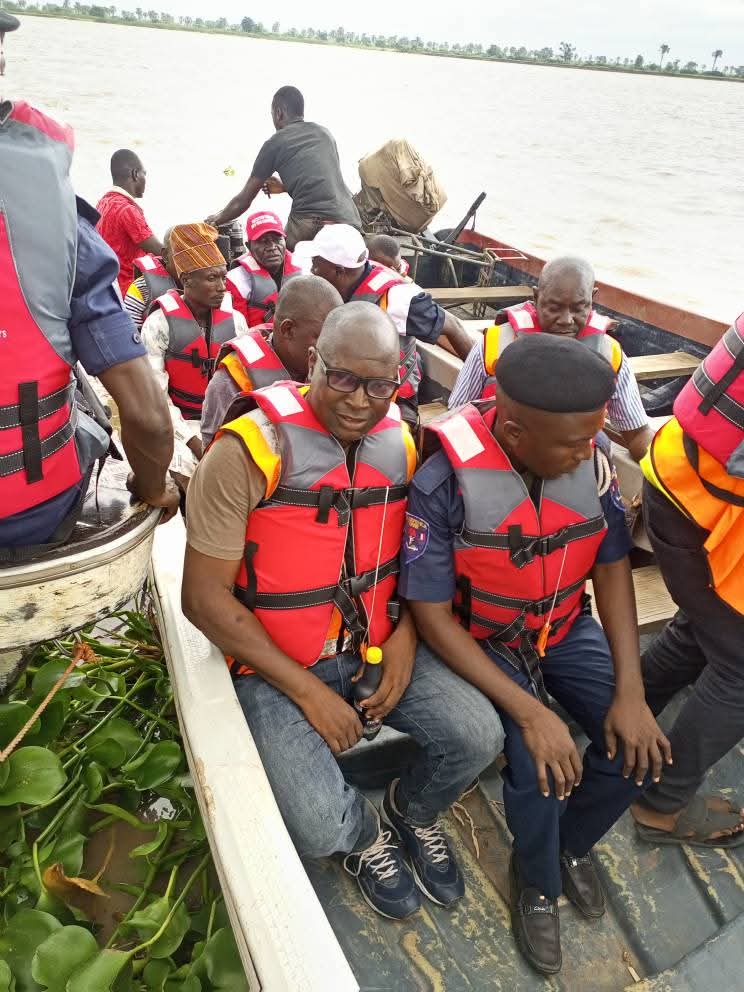
In collaboration with the National Inland Waterways Authority (NIWA), Taraba State Emergency Management Agency (SEMA), and Taraba State Ministry of Humanitarian Affairs, DPCDI embarked on a vital safety awareness drive. The tour educated boat owners, operators, and riverbank communities on avoiding night travel, overloading, and the critical importance of life jackets during impending floods.
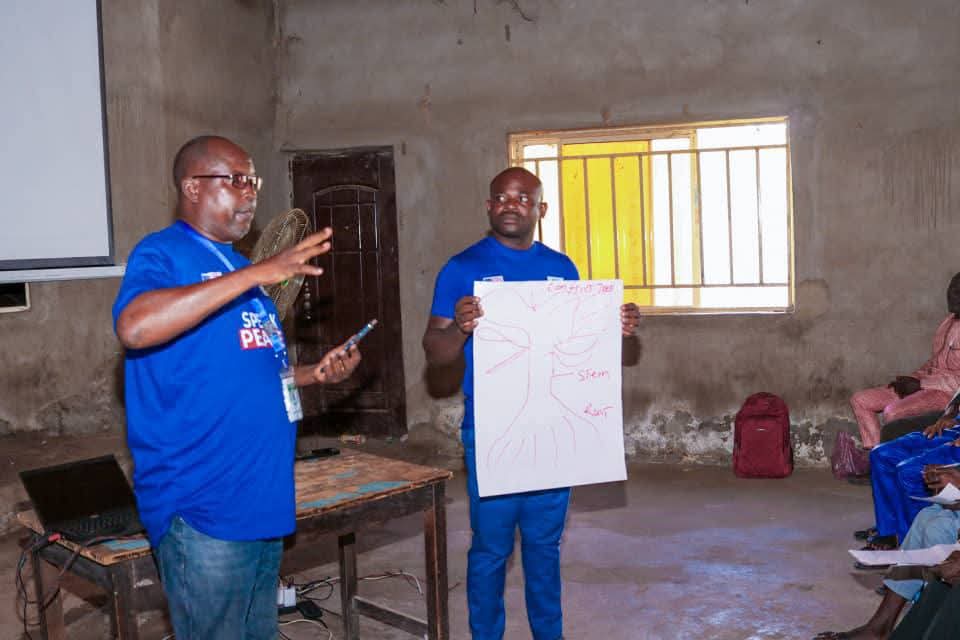
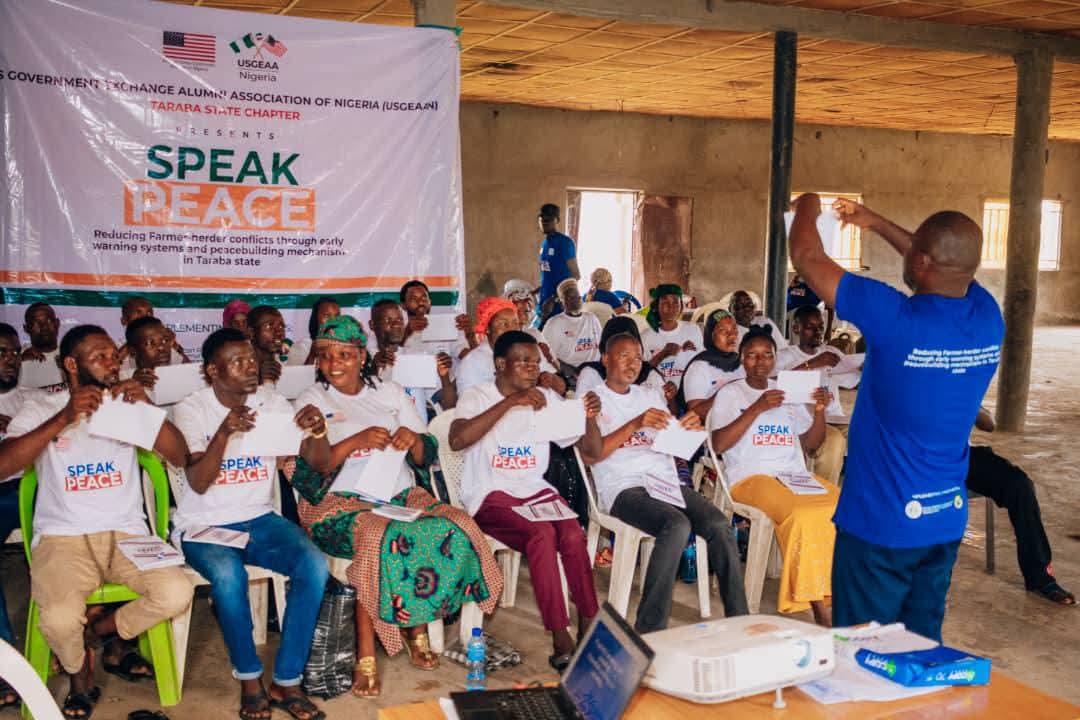
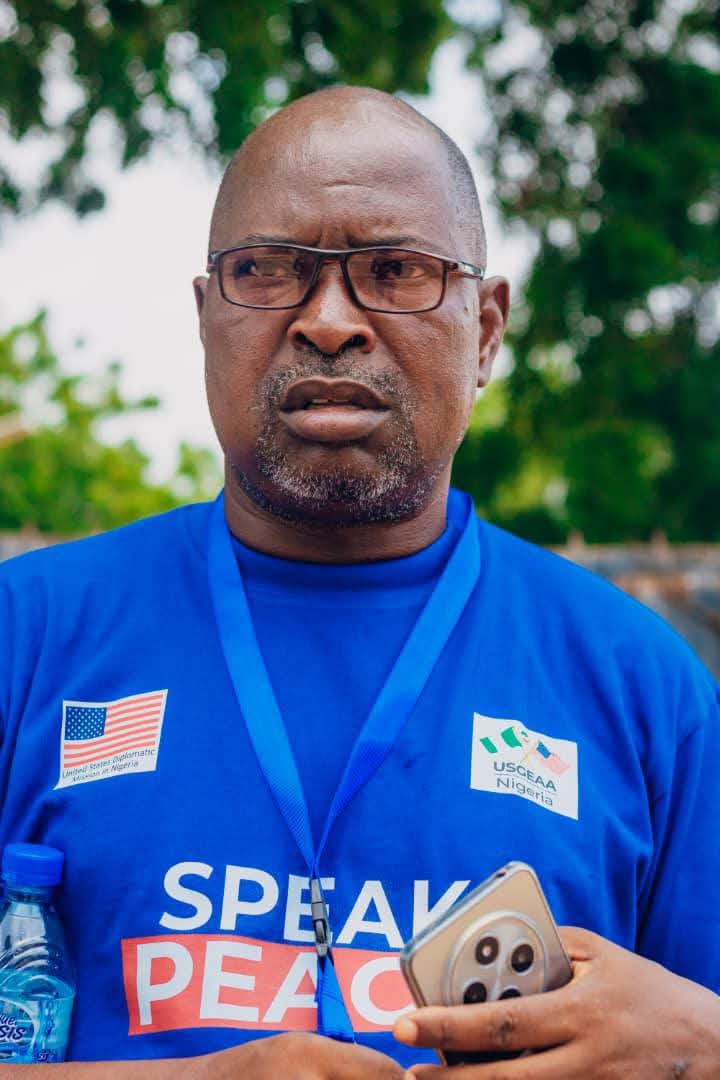
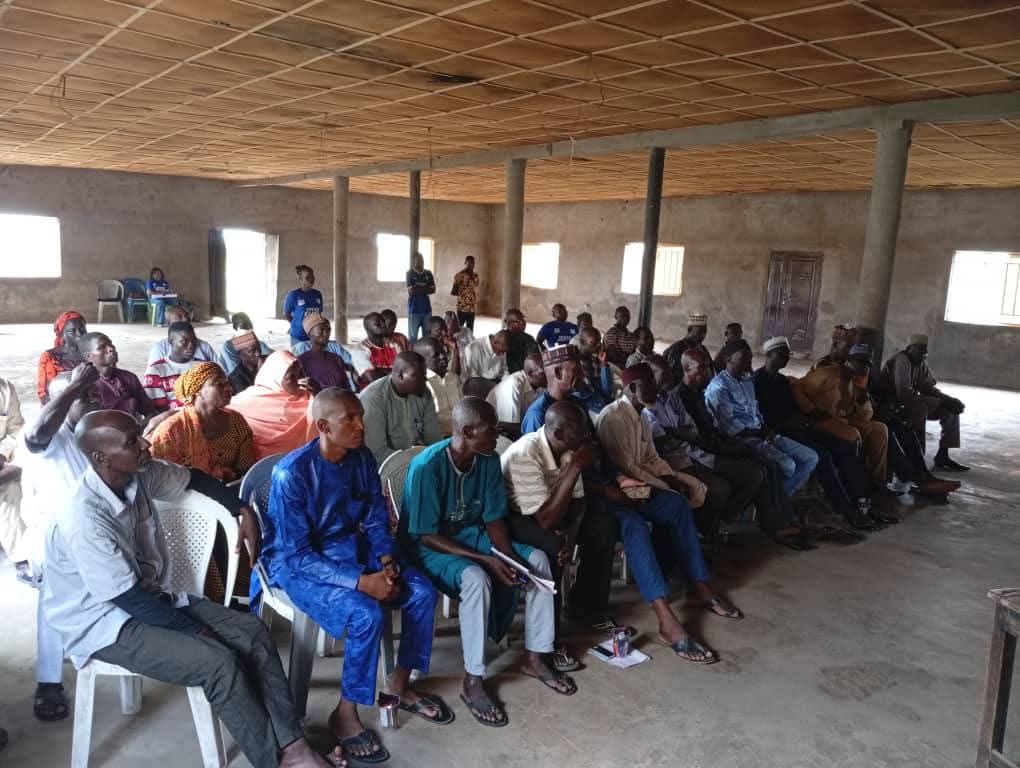
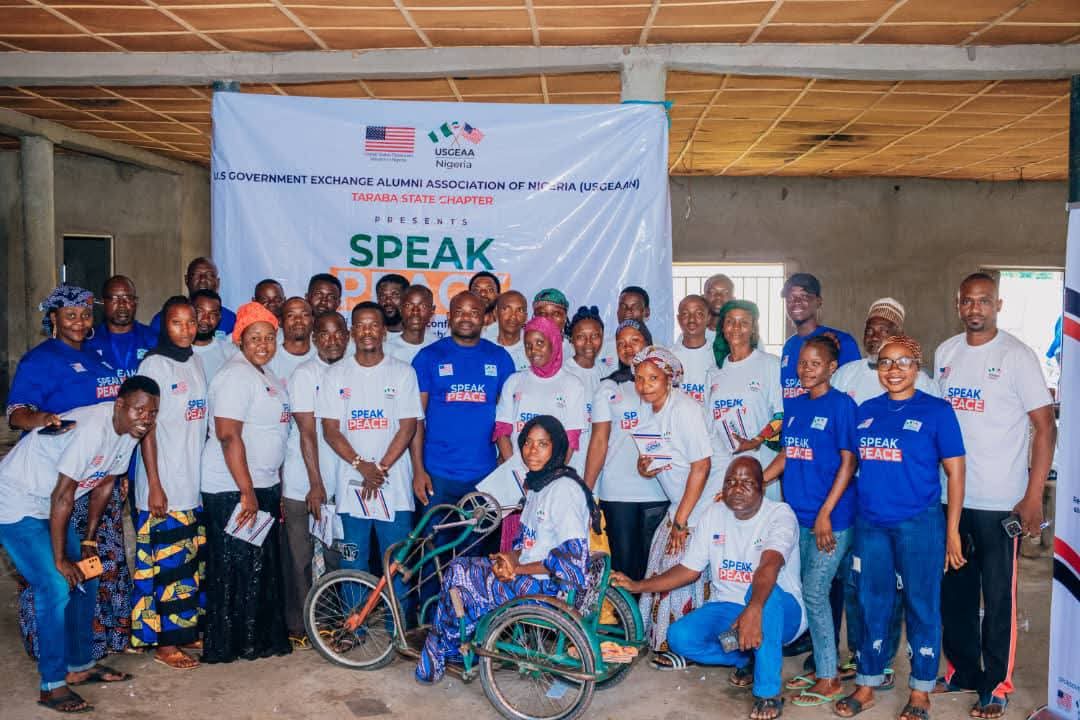
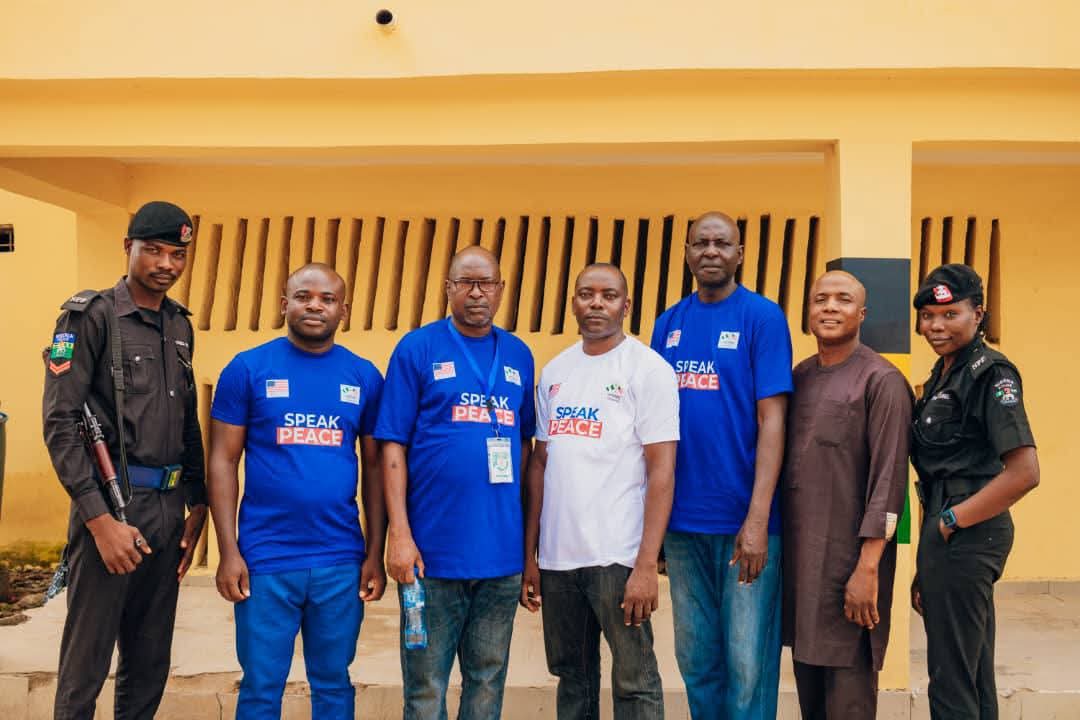
Speak Peace! Early Warning & Early Response Campaign
Community-Wide Observer Networks, Jalingo
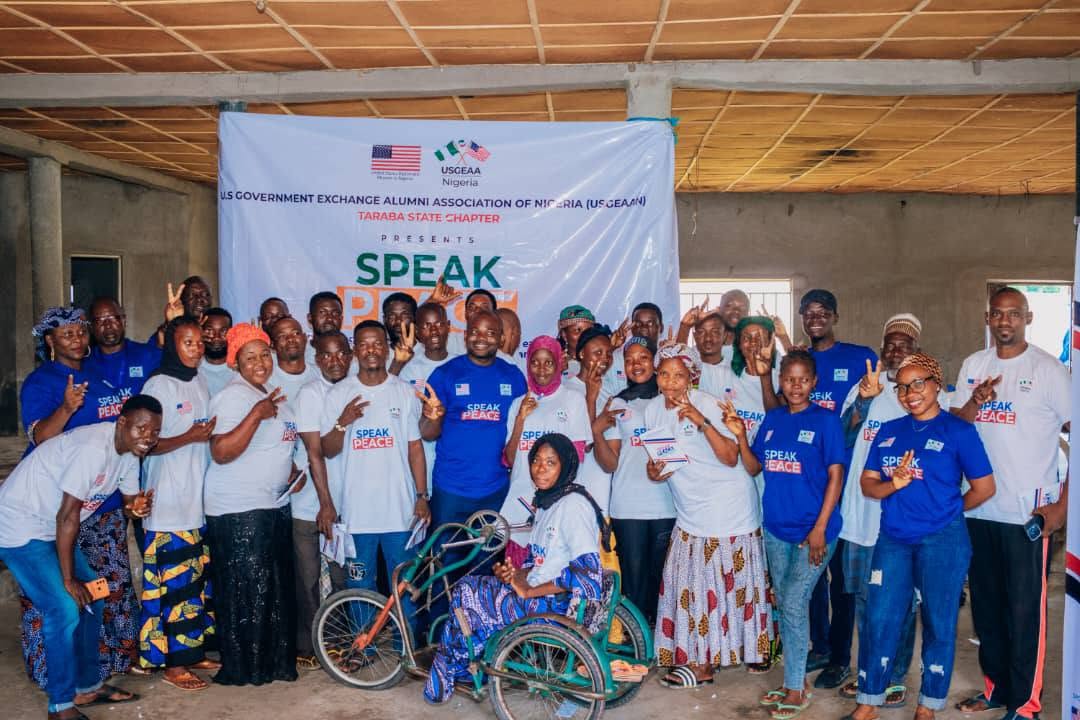
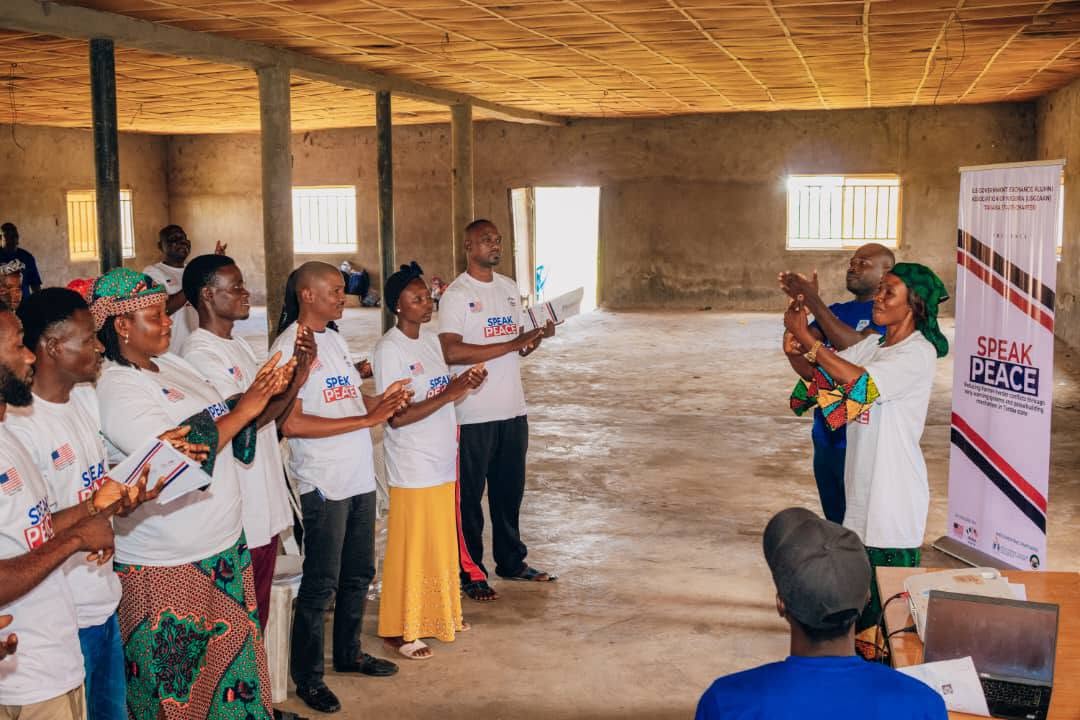
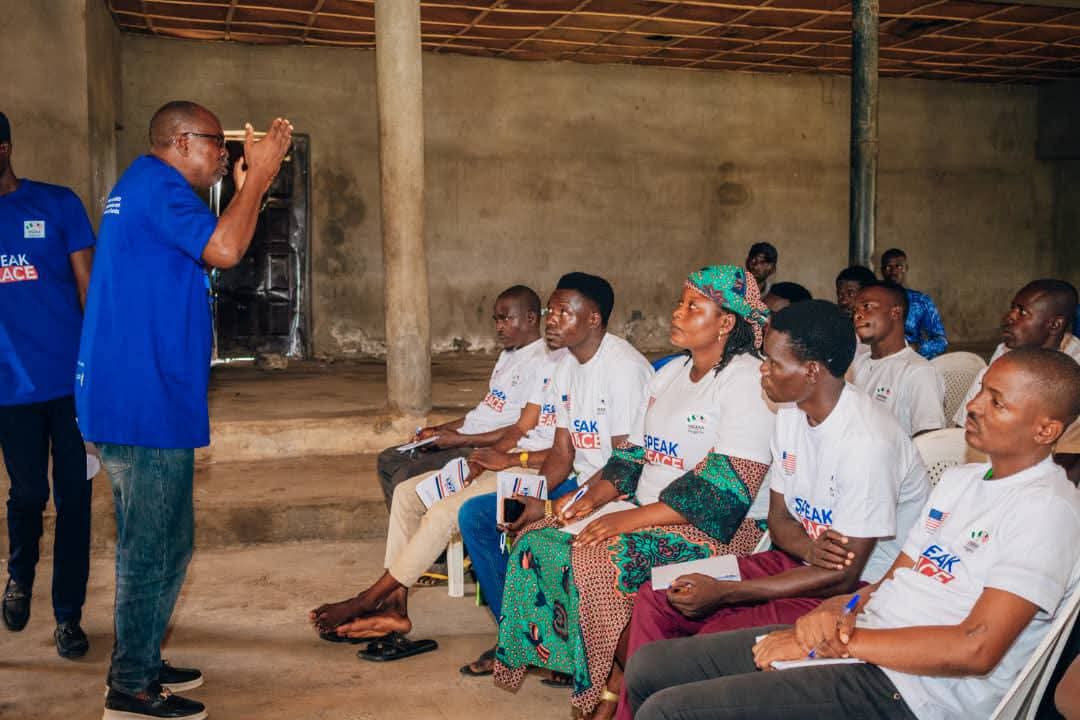
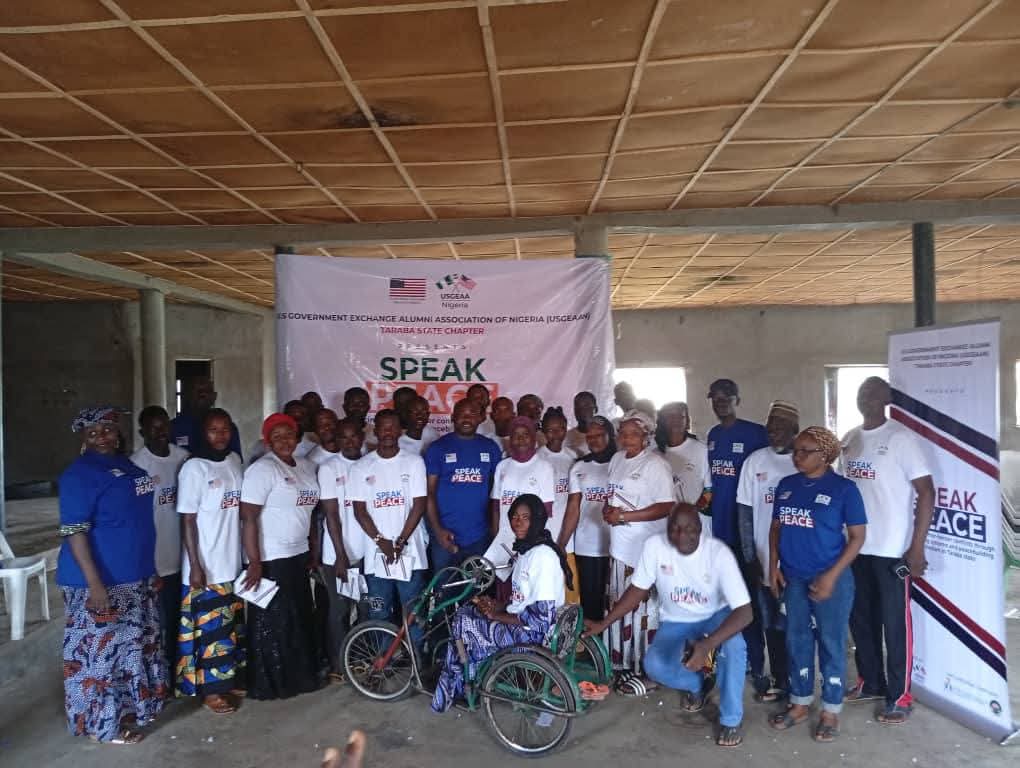
An advocacy initiative raising awareness about Freedom of Religion or Belief (FoRB) as a fundamental right. DPCDI trains community members to identify and report early indicators of religious tension or hate speech, utilising our dedicated toll-free helpline to stop violence before it starts.
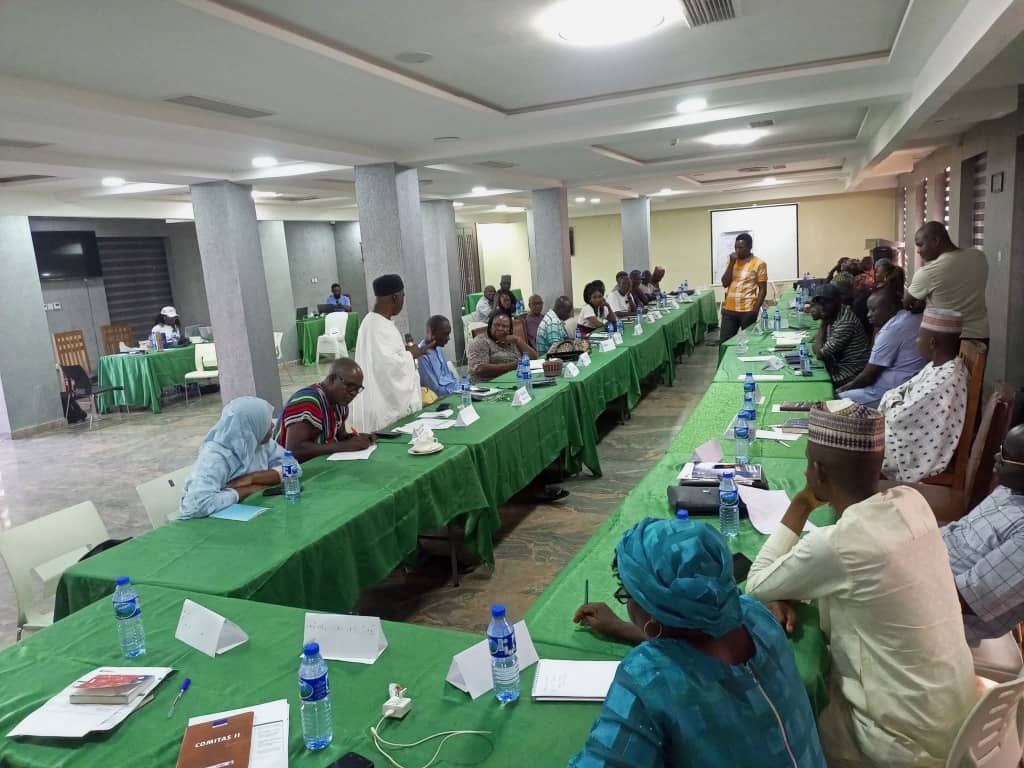
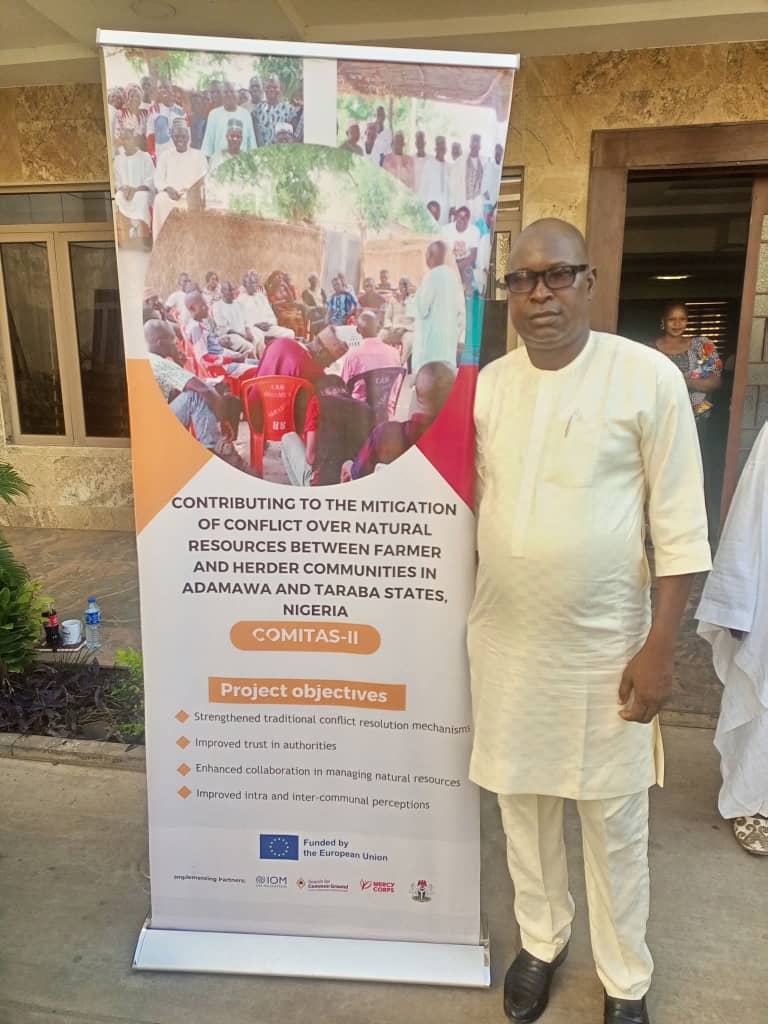
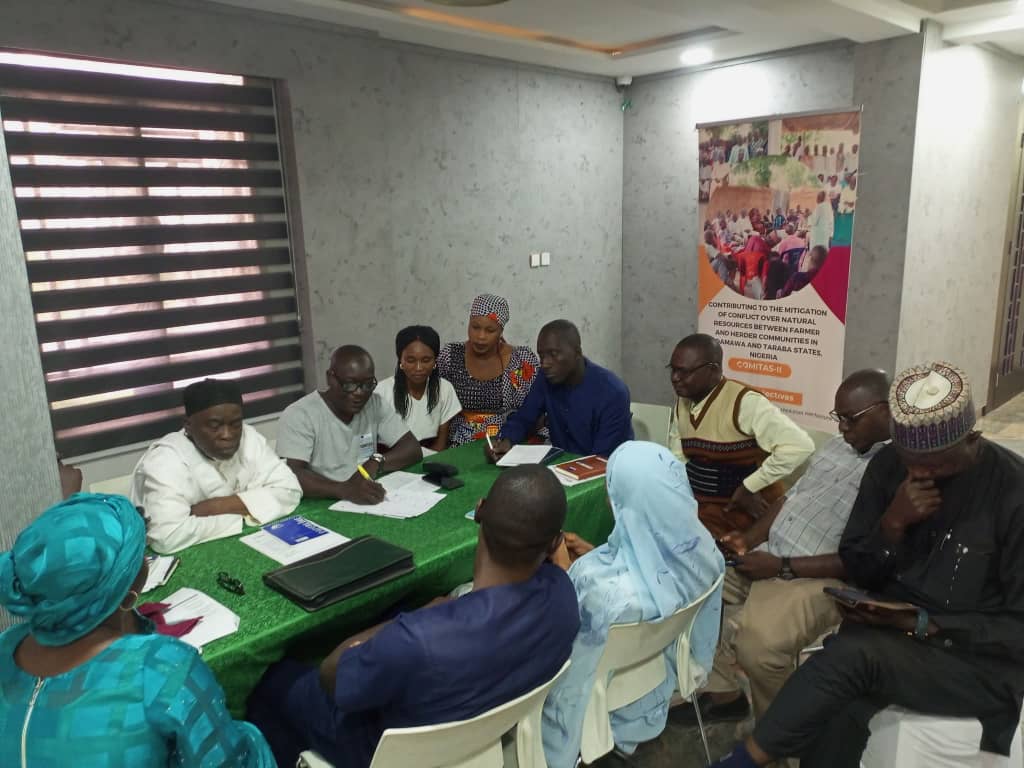
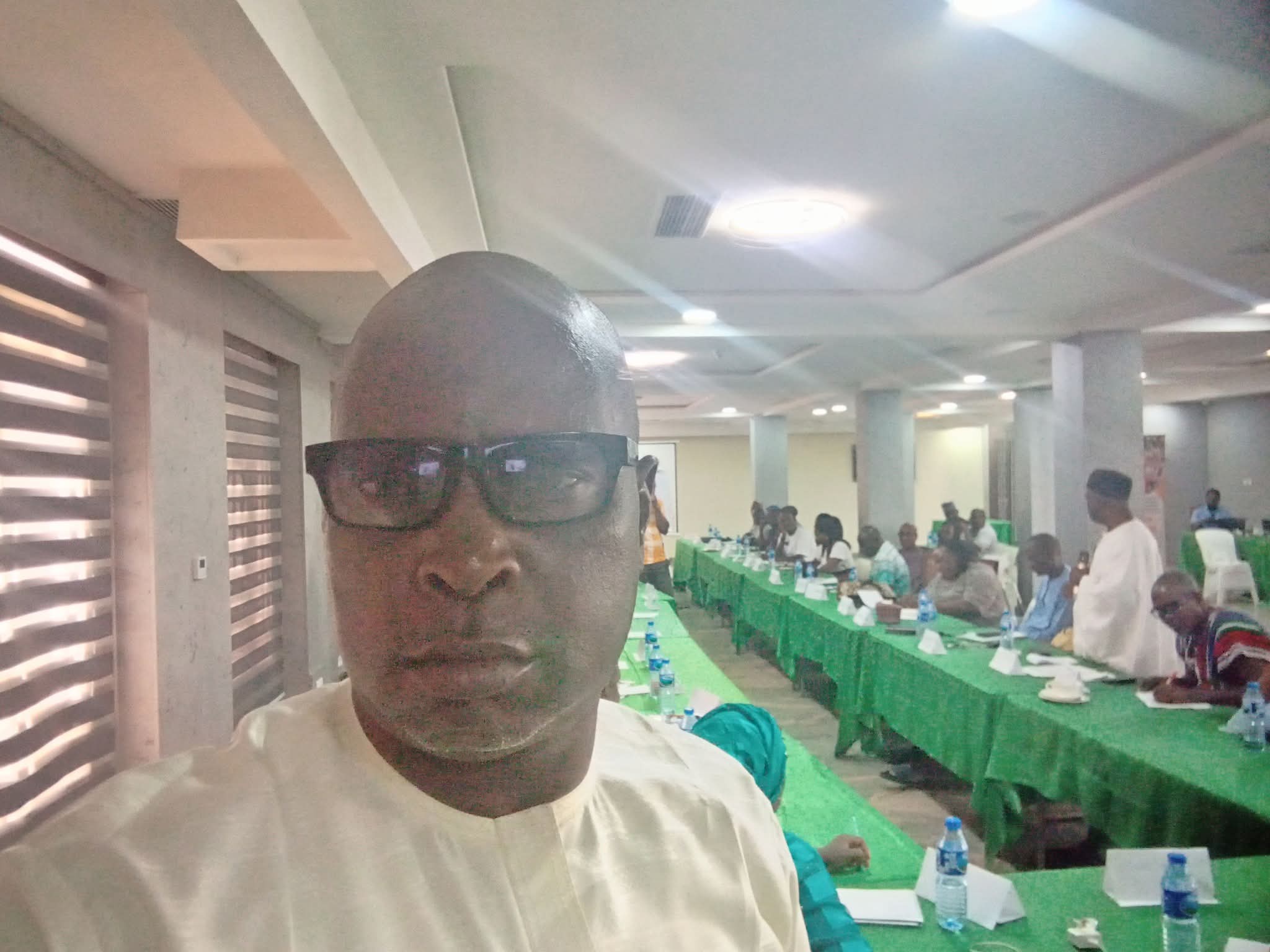
COMITAS Phase II Policy & Experience Sharing Workshop
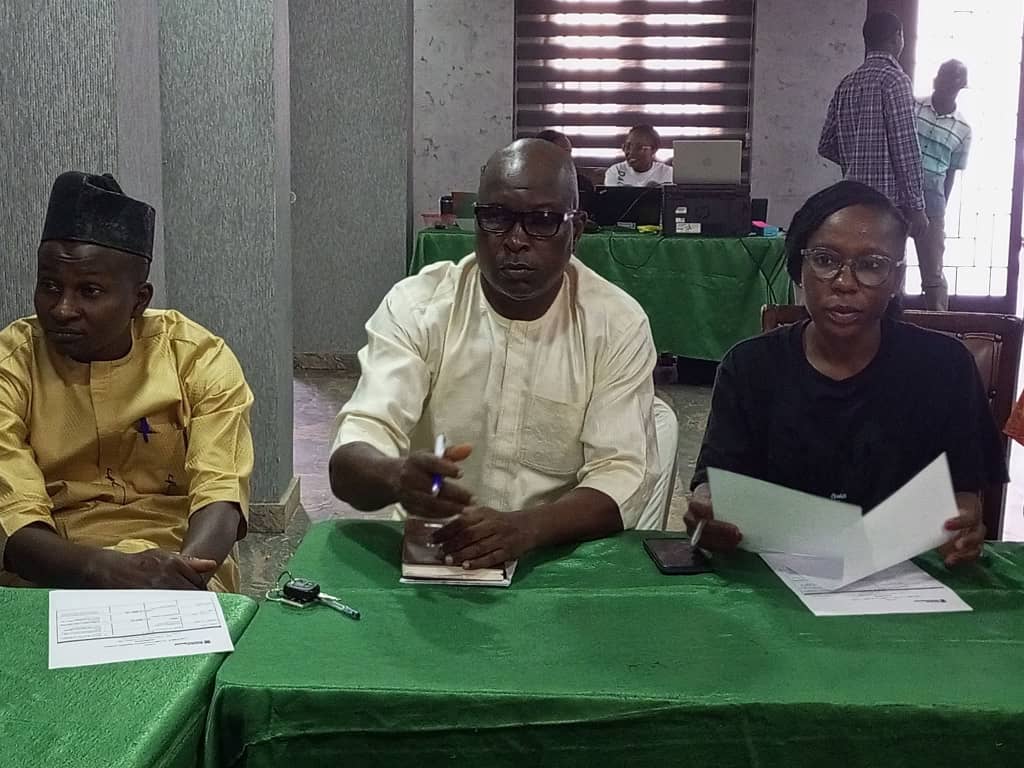
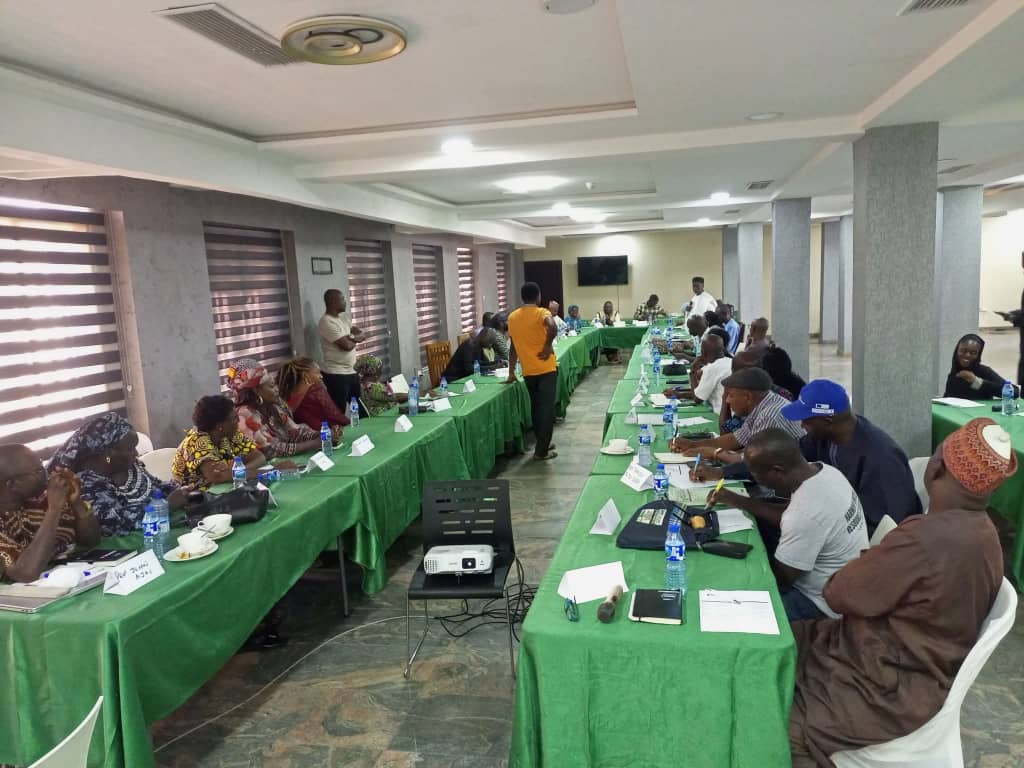
City Green Hotel, Malamre, Yola, Adamawa State
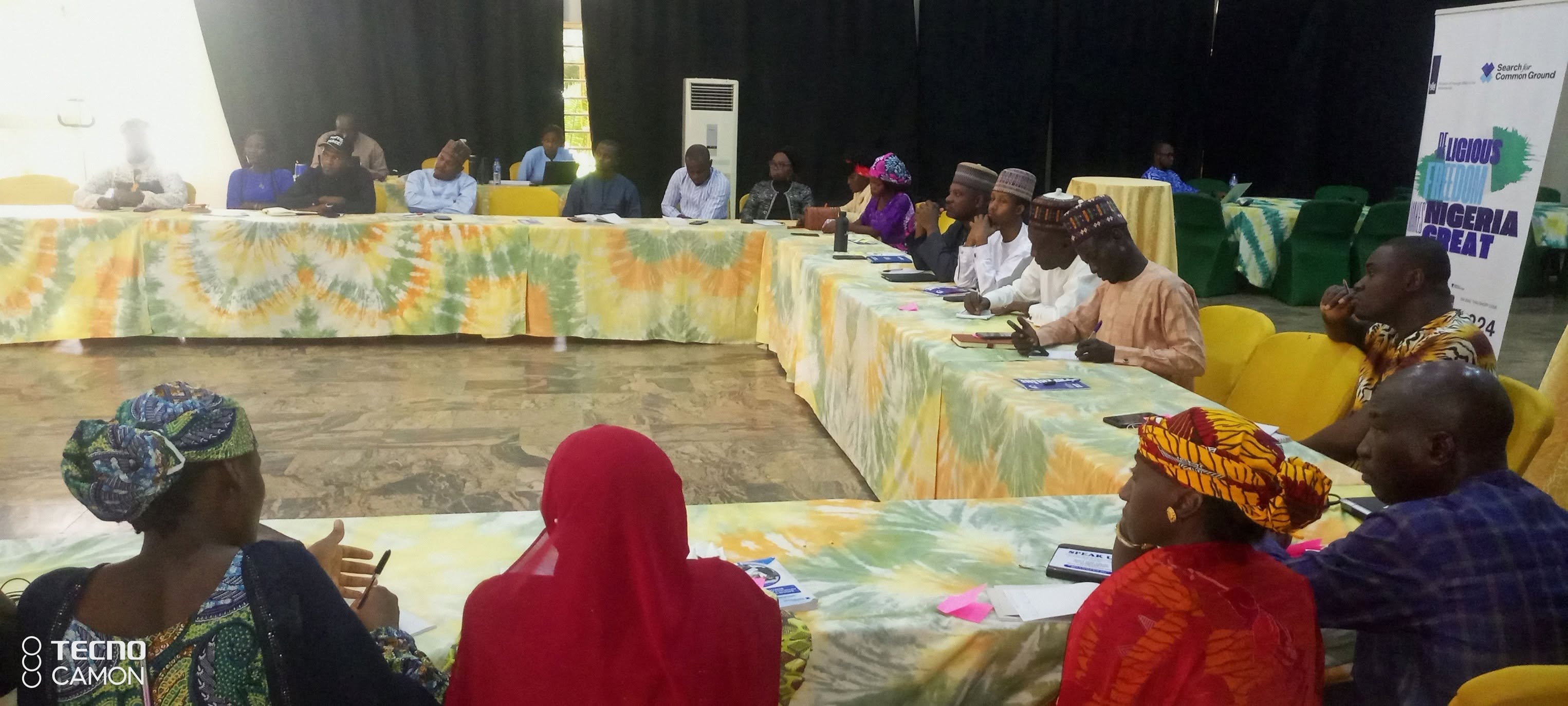
Implemented by Search for Common Ground and funded by the European Union, this 2-day in-house workshop focused on collaborative policy development. Joint delegates from TAFAAHR and AFFAHR in Taraba and Adamawa states shared best practices, discussed landscape challenges, and formed joint grassroots initiatives.
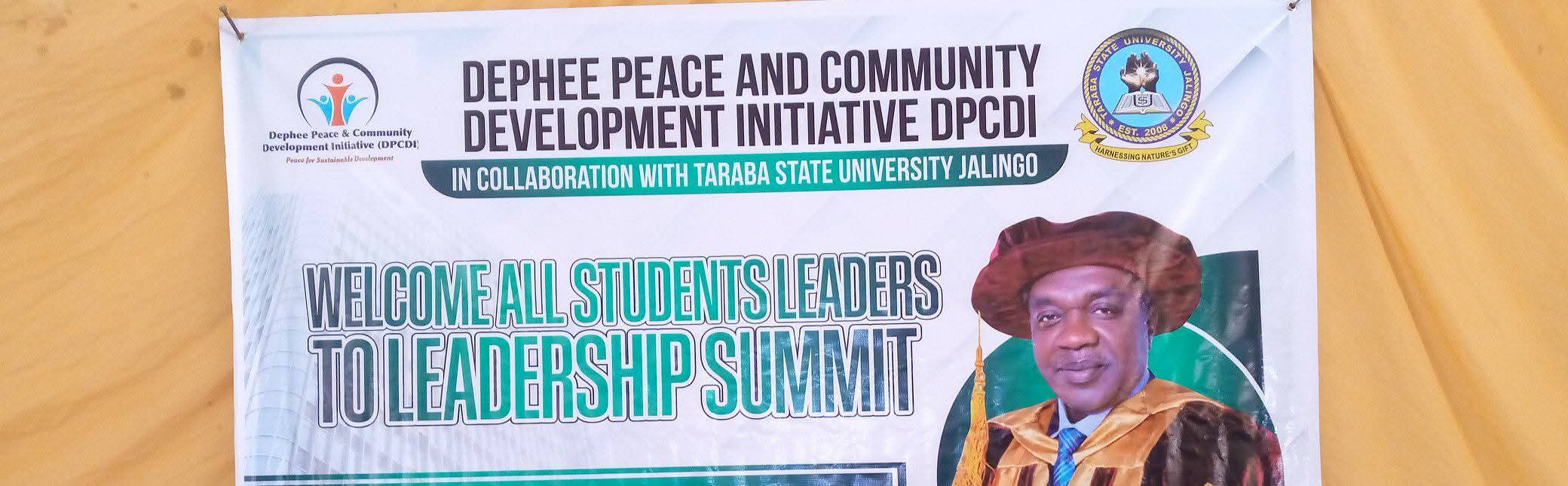
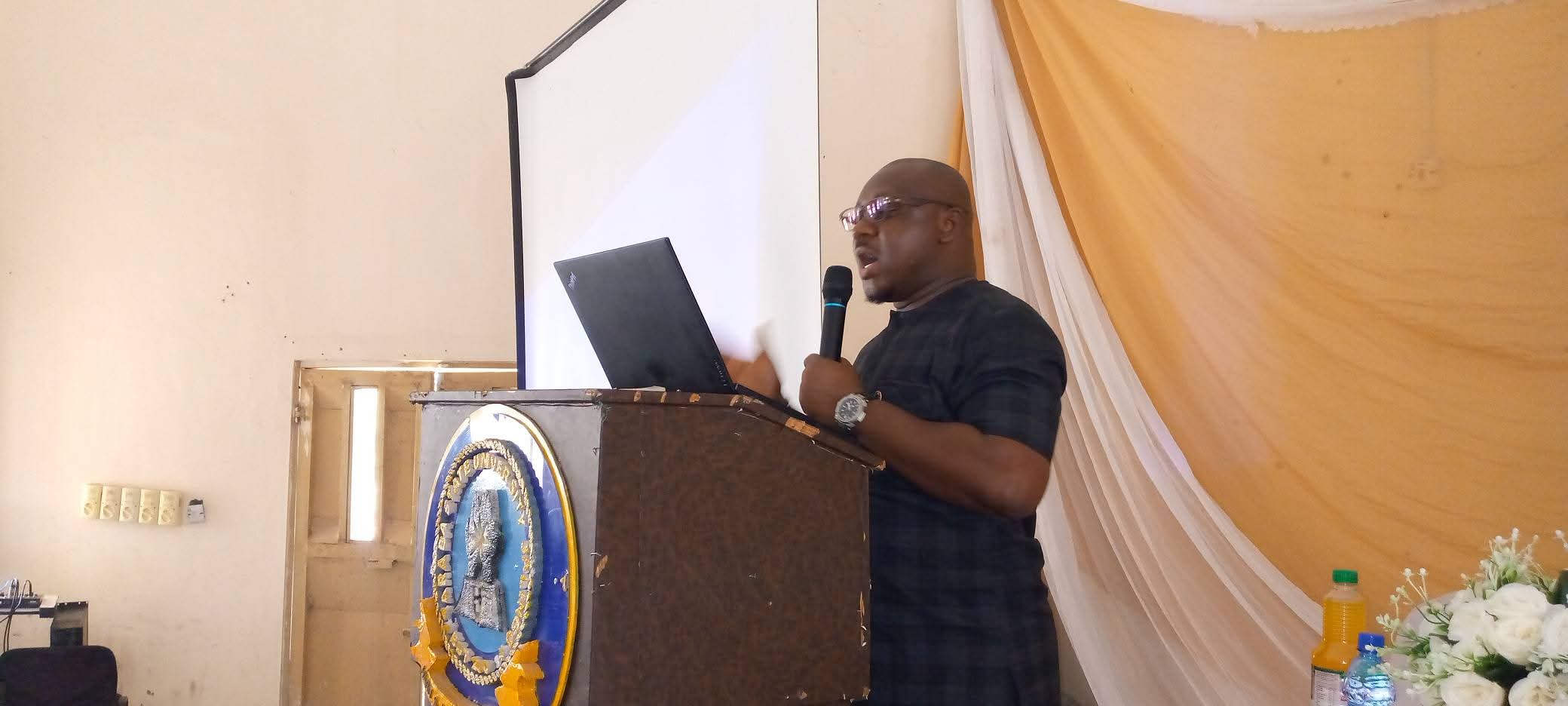
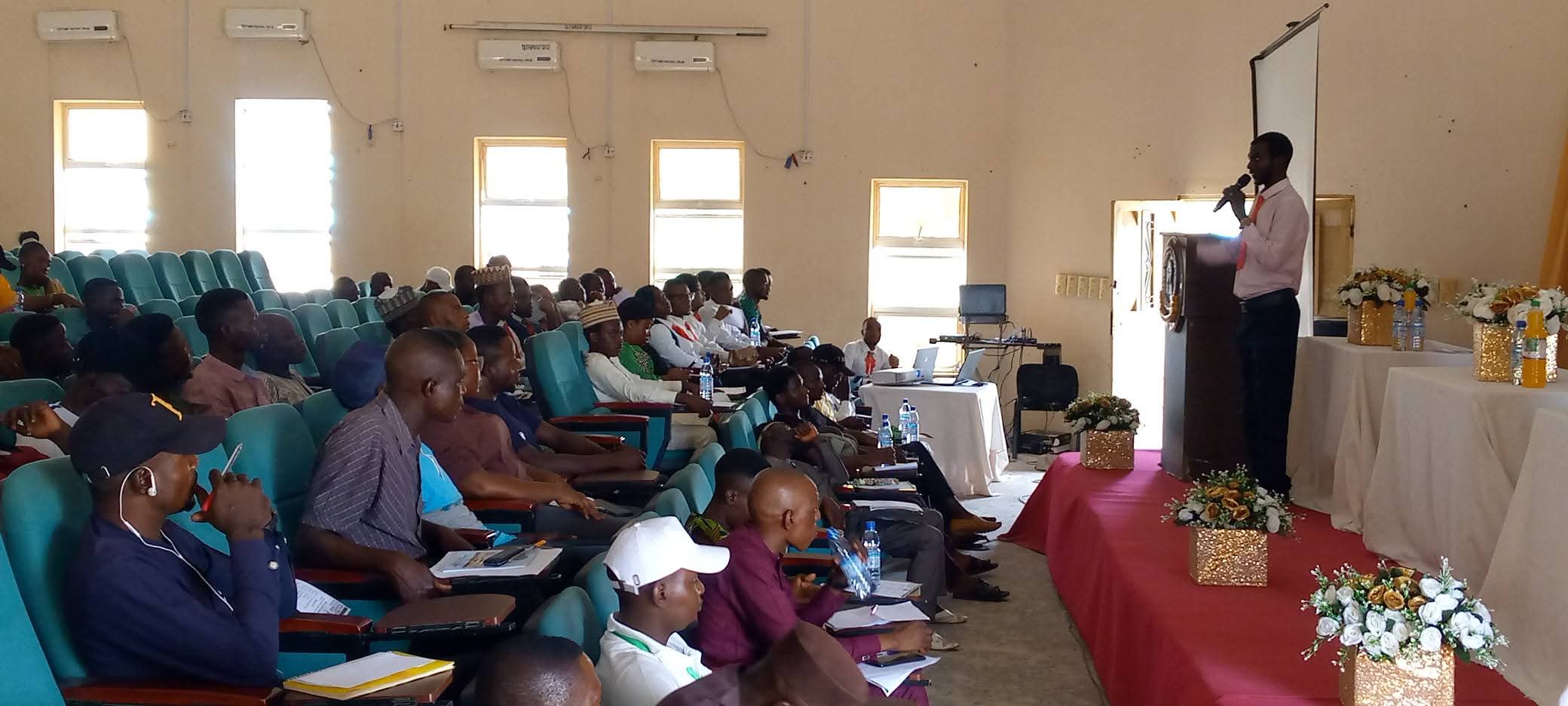
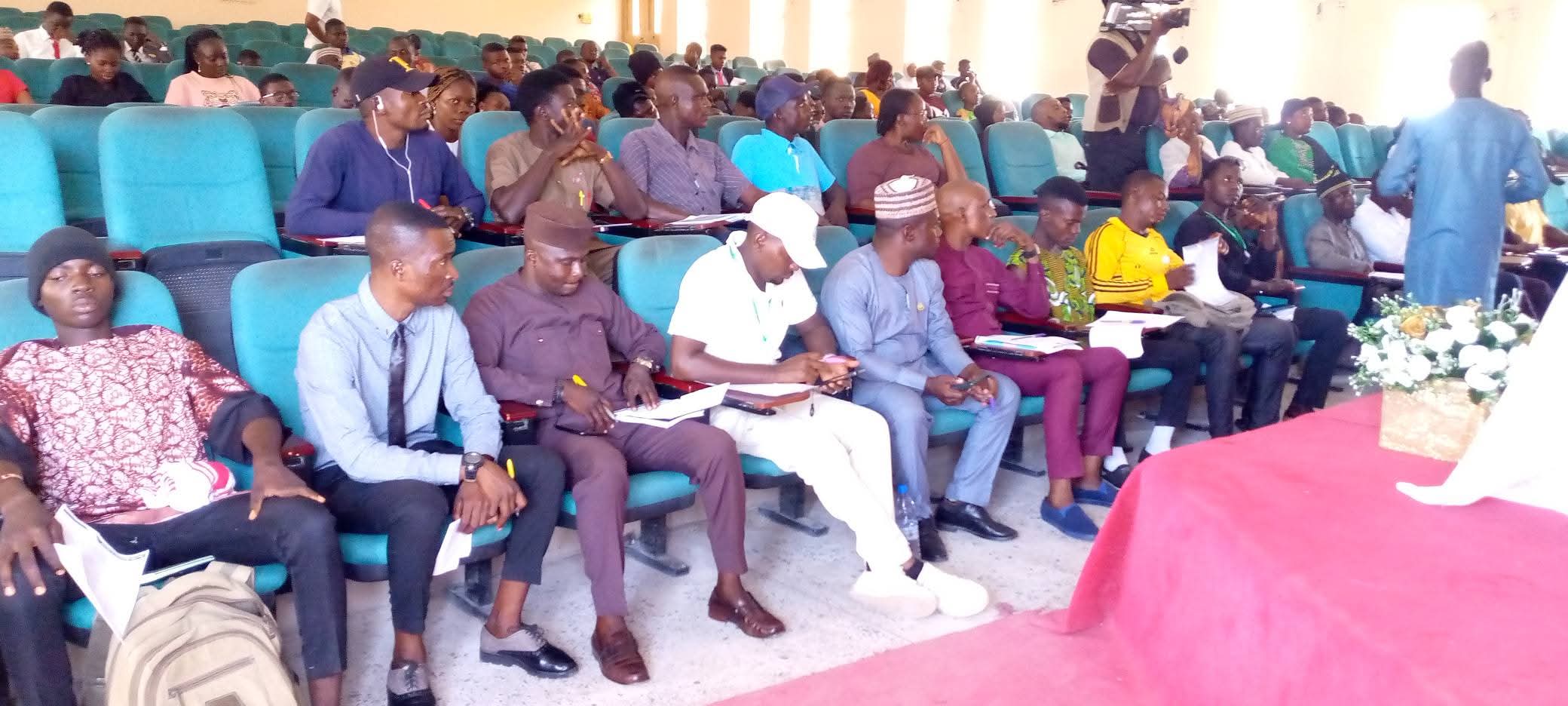
Student Leaders Conflict Resolution & Leadership Training
Jalingo Education Zone, Jalingo
Empowering secondary school student leaders with critical thinking, leadership skills, and conflict resolution techniques. DPCDI seeks to nurture tolerance and build secondary school peace clubs to protect vulnerable youth from manipulation.

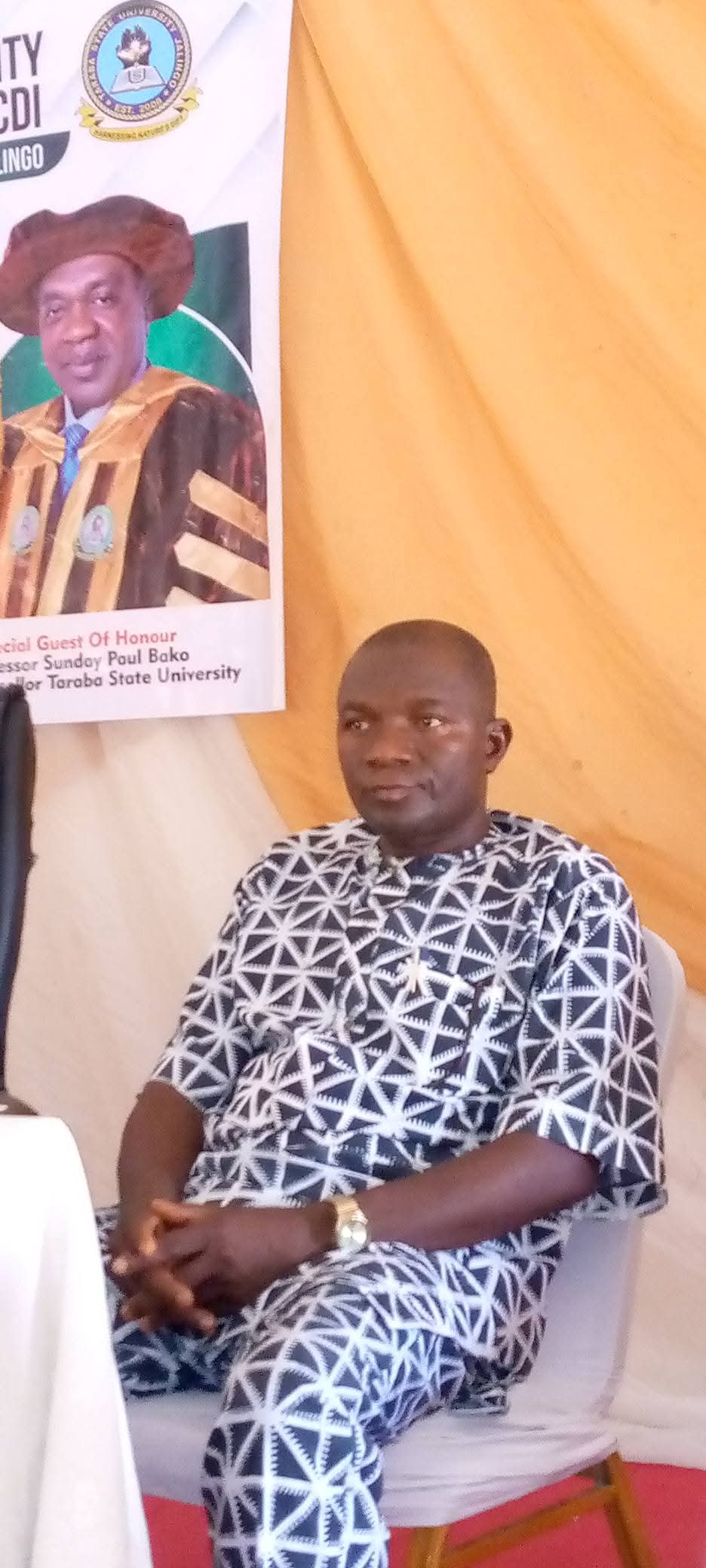
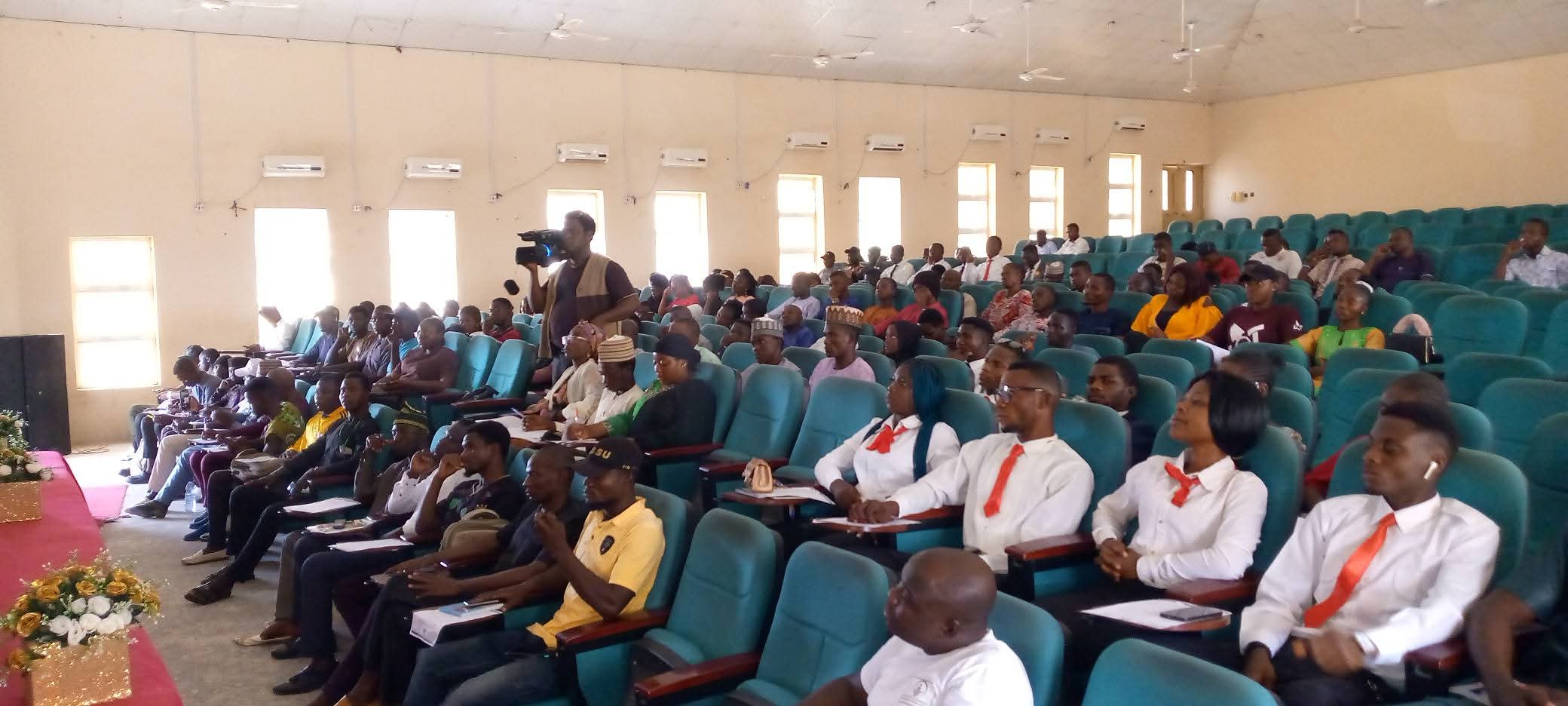
Mid-Year Community Outreach & Aid Distribution Event
Local Grassroots Settlements, Taraba State
DPCDI volunteer and field worker teams executing community-level advocacy, evaluating local sanitation needs, and distributing humanitarian palliatives and aid to displaced households.
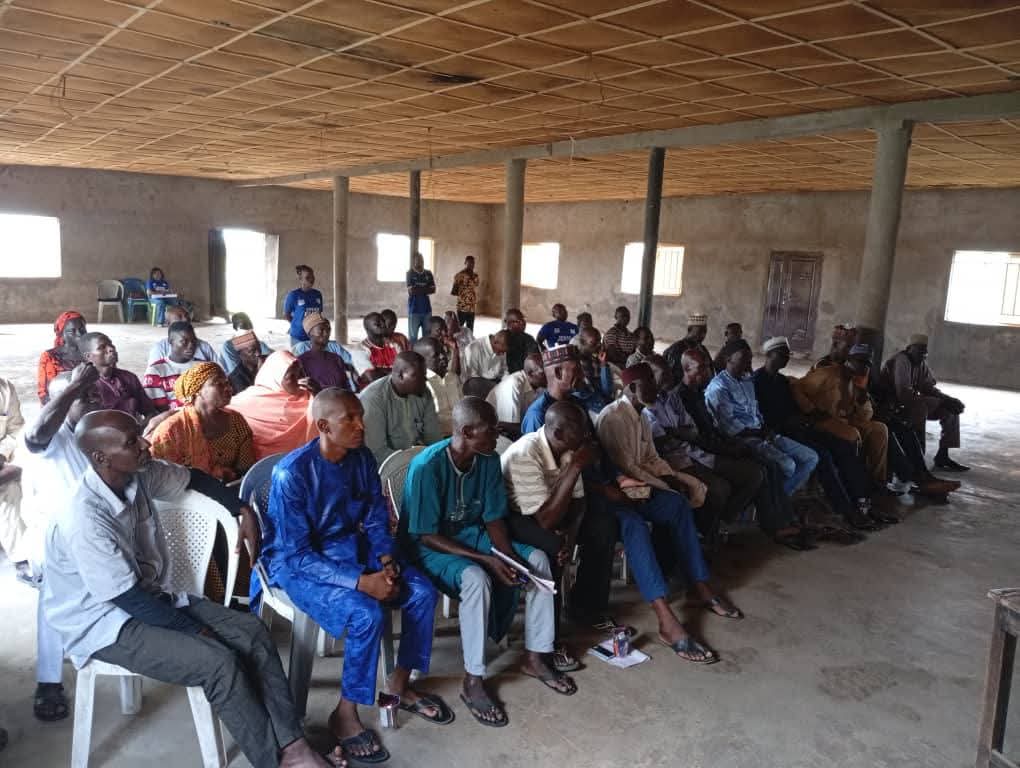
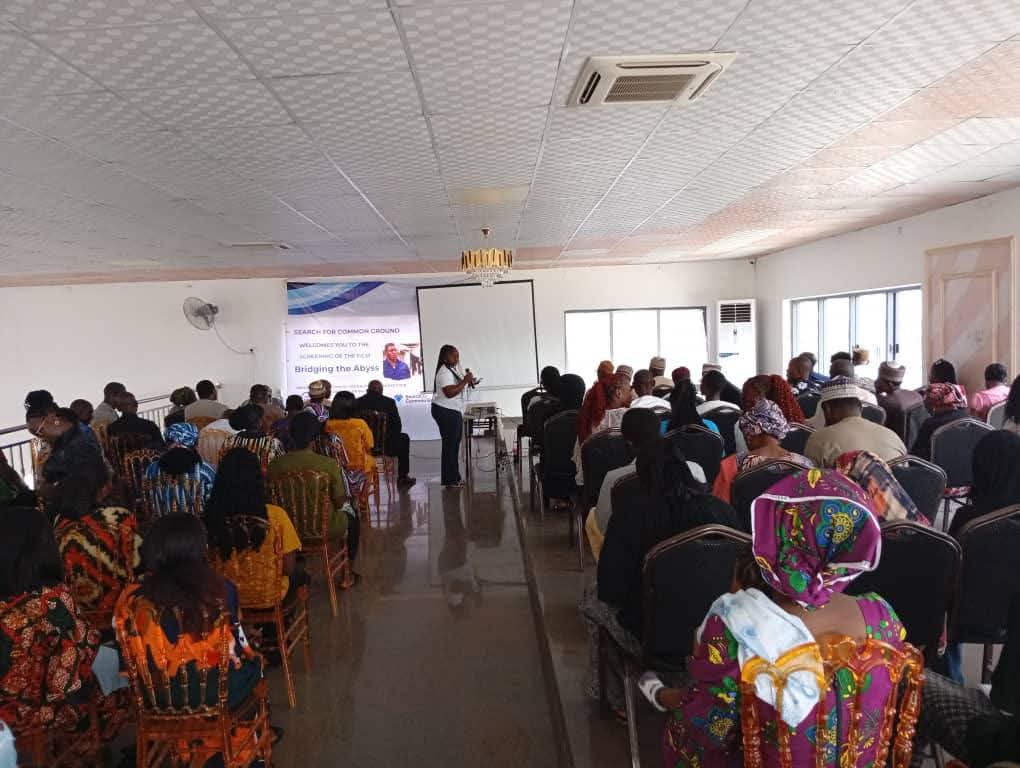
Food Relief Distribution to Wurkun & Karinjo Conflict Survivors
Karim Lamido Local Government Area, Taraba State
DPCDI distributed essential food stuffs directly to survivors of the violent conflict between the Wurkun and Karinjo tribes of Karim Lamido LGA, Taraba State. This rapid-response humanitarian intervention brought immediate relief to displaced families, reinforcing DPCDI's commitment to standing with the most vulnerable in the aftermath of communal violence.
.jpg)
.jpg)
.jpg)
.jpg)
.jpg)
.jpg)
.jpg)
Do You Have Early Warning Signs to Report?
If you notice regional security tensions, hate speech escalation, or early signs of communal conflict in Taraba State, reach out immediately. Our trained observers and peace advocates are ready to intervene.